A website that makes it easy to choose products based on a child’s age, interests, and needs
We created a Ukrainian-language online store for the retail sale of games, toys, and educational kits for children.
The website helps organize the product lineup, showcase products, make it easier for parents to choose, and accept orders online.
The project is optimized for mobile devices and can be further developed through new categories, filters, product curations, SEO, advertising, marketplaces, and repeat sales.
Language of the first version: Ukrainian
Launch timeline: 14 days
Platform: WordPress + WooCommerce + Elementor
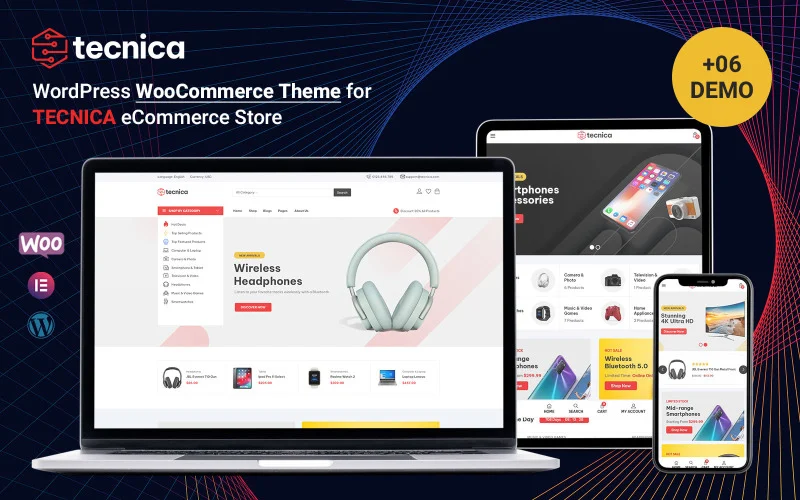
Design template: premium design from Template Monster —Tecnica – Electronic Multipurpose WooCommerce Theme.
View Demo
Task
The toy store needed a website that would help:
- present the product lineup online;
- organize products into clear categories;
- display photos, specifications, and prices;
- make it easier to choose a toy for a child;
- accept orders online;
- work properly on smartphones;
- lay the groundwork for SEO promotion;
- run ads for specific categories and products;
- gradually expand the product range;
- support seasonal and holiday sales.
It was important to launch a fully functional store without having to spend a long time developing standard e-commerce components from scratch.
Our Approach
To launch the site, we used a professional e-commerce platform with built-in functionality for the product catalog, product listings, search, and navigation.
Although the design template was originally created for electronics stores, its functional structure was well-suited for a store with a wide selection of toys.
The template was used as a technical framework, not as a ready-made theme.
The main focus was on:
- directory structure;
- ease of browsing products;
- mobile optimization;
- product cards;
- search;
- the ability to compare options;
- SEO preparation;
- further expansion of the store.
What Makes This Toy Store Special
In most cases, the user of a product and the buyer are different people.
A child wants an interesting toy, while an adult assesses:
- age appropriateness;
- safety;
- quality of materials;
- benefits for development;
- configuration;
- size;
- manufacturer;
- reviews;
- price;
- Delivery times.
Therefore, the website must simultaneously:
- to generate interest in the product;
- to help an adult make an informed decision;
- to provide enough information without having to ask the manager for every detail.
Directory Structure
A toy store shouldn’t be designed merely as a general list of products.
Shoppers can search for products using various criteria:
- the child’s age;
- article;
- by topic;
- type of game;
- a skill that the product helps develop;
- brand;
- at the cost of;
- material;
- the number of participants;
- an occasion for a gift.
Therefore, the catalog can be organized by categories:
- toys for infants;
- products for children ages 1 and up;
- toys for preschoolers;
- school supplies;
- board games;
- construction sets;
- puzzles;
- craft kits;
- educational toys;
- interactive toys;
- dolls;
- cars;
- stuffed animals;
- games for the whole family;
- outdoor recreation gear;
- Gift sets.
The right structure helps shoppers find products faster and lays the groundwork for future SEO efforts.
Selection by Age
A child’s age is one of the main criteria for selection.
On the website, you can create individual categories or collections:
- 0–12 months;
- 1–2 years;
- 3–4 years;
- 5–6 years;
- 7–9 years old;
- 10–12 years old;
- products for teenagers.
For each age group, you can explain:
- which skills are developed;
- what kinds of toys are appropriate;
- what to look for;
- What restrictions apply to the product;
- What gifts are most often chosen?
These pages support navigation, SEO, and sales all at once.
Choices Based on Development Needs
Separately, the catalog can be organized based on what helps promote the product:
- fine motor skills;
- logical thinking;
- memory;
- attention;
- broadcast;
- creativity;
- imagination;
- coordination;
- social skills;
- mathematical ability;
- spatial thinking.
This is especially useful for stores that sell:
- educational kits;
- educational games;
- art supplies;
- construction sets;
- logic games;
- School supplies.
SEO Fundamentals for an Online Store
For search engine optimization, it’s not enough to optimize just the home page.
Potential buyers may be looking for:
- buy children’s toys;
- educational toys;
- toys for a specific age group;
- board games for children;
- construction sets;
- arts and crafts kits;
- a gift for a child;
- toys for developing motor skills;
- educational games;
- products from a specific brand;
- a specific model or series.
The website can be developed gradually through:
- categories;
- subcategories;
- brand pages;
- product cards;
- age-based collections;
- pages by interest;
- gift sets;
- seasonal pages;
- informational articles;
- internal linking;
- external publications.
This approach makes it possible to attract customers based on a large number of specific search queries, rather than relying solely on advertising.
What the client received
- a Ukrainian-language online store;
- mobile optimization;
- the WordPress content management system;
- the functional foundation of WooCommerce;
- product catalog;
- categories and product cards;
- shopping cart and checkout;
- the ability to add products on your own;
- the ability to change prices, photos, and descriptions;
- a basis for searching the catalog;
- the ability to expand the structure;
- SEO preparation;
- readiness to launch the ad campaign;
- the ability to integrate analytics;
- a platform that can be further developed or handed over to another team.
Product Card
When it comes to toys, it’s important to provide enough information to make an informed choice.
The product card can display the following:
- title;
- photos;
- video;
- price;
- availability;
- recommended age;
- material;
- size;
- configuration;
- manufacturer;
- country of origin;
- number of players;
- game duration;
- skills that the product helps develop;
- Terms of Use;
- warning;
- shipping terms;
- reviews;
- Similar products.
The description should help you make a decision, rather than consist solely of a few general statements from the supplier.
Safety and Trust
When buying products for a child, trust in the store and its products is especially important.
It is important to clearly show the following on the website:
- manufacturer;
- materials;
- age restrictions;
- certification, if any;
- Terms of Use;
- a note about minor details;
- return policy;
- store contact information;
- payment methods;
- shipping terms;
- customer reviews.
You should not use unsubstantiated claims about the absolute safety or benefits of a product.
The information must correspond to the manufacturer’s specifications and product documentation.
Search and Filters
As the product range expands, search and filtering become particularly important.
You can filter by:
- age;
- at the cost of;
- brand;
- category;
- material;
- by topic;
- the number of participants;
- availability;
- ranking;
- new items;
- special-offer items;
- the skills that the toy helps develop.
You can also develop:
- search with suggestions;
- search by item number;
- quick view;
- wish list;
- comparison;
- Viewed items.
It is advisable to implement these features based on the size of the catalog and actual customer behavior.
Gift Selection
A significant portion of toys are purchased as gifts.
A customer may not know the exact name of the product, but they understand:
- the child’s age;
- budget;
- interests;
- reason;
- Preferred type of gift.
To do this, you can create collections:
- birthday gift;
- a New Year’s gift;
- a gift for a preschooler;
- a gift for a first-grader;
- a gift within a specific budget;
- a gift for a creative child;
- a gift for a fan of building sets;
- family board games;
- Gift sets.
These pages help shoppers make a choice and can be used for SEO, social media, email, and advertising.
Seasonal Sales
Demand for toys fluctuates throughout the year.
The following may be important:
- the New Year’s season;
- St. Nicholas Day;
- the start of the school year;
- summer vacation;
- children’s birthday parties;
- kindergarten graduation ceremonies;
- the outdoor recreation season;
- promotional periods and sales.
For seasonal campaigns, you can create:
- individual landing pages;
- thematic categories;
- gift sets;
- sets;
- banners;
- advertising campaigns;
- email newsletters;
- social media posts.
It’s best to create these pages in advance so they have time to be indexed and build visibility.
Sets and Kits
The average check can be increased by:
- thematic sets;
- arts and crafts kits;
- toy series;
- products from the same brand;
- gift wrapping;
- additional accessories;
- sets for multiple children;
- Kits for childcare facilities.
The product page can display:
- related products;
- products from the same series;
- alternatives;
- discounted sets;
- Age-based recommendations.
Such suggestions should be relevant and helpful to the customer, rather than simply increasing the number of items in the shopping cart.
Reviews and User-Generated Content
For a toy store, reviews that explain the following can be helpful:
- the age group for which the product was purchased;
- whether the child found it interesting;
- how clear the instructions were;
- such as the quality of the materials;
- Does the product match the photos?;
- How quickly they delivered the order.
With the buyers’ consent, the following may also be used:
- photos;
- short videos;
- inspections;
- examples of finished products;
- Results of the creative kits.
Content like this builds trust and helps other shoppers better evaluate the product.
Payment and Shipping
The website can be connected to:
- online payments;
- cash on delivery;
- bank transfer;
- delivery services;
- courier delivery;
- pickup;
- automatic calculation of shipping costs;
- order status notifications.
The terms and conditions must be clearly described before the order is placed.
It is especially important to report:
- shipment dates;
- available shipping methods;
- cost;
- free shipping terms;
- procedure for inspecting goods;
- Return Policy.
Product Feeds and Advertising
As the store develops, it can be set up to transmit product data to:
- Google Merchant Center;
- Google product ads;
- Meta catalog;
- dynamic remarketing;
- marketplaces;
- affiliate programs.
A feed may contain:
- title;
- link;
- a photograph;
- price;
- availability;
- brand;
- category;
- description;
- Other specifications.
This helps automate product catalog advertising and update data following changes to the website.
The Role of Social Media
Facebook, Instagram, YouTube, TikTok, and other platforms can be used to:
- toy inspections;
- unboxing video;
- age-based recommendations;
- new items;
- gift sets;
- creative ideas;
- board games;
- reviews;
- seasonal offers;
- links to product categories and product pages.
Social media helps spark the buyer’s interest, while the website provides comprehensive information and the ability to place an order.
Site 4 biz Growth can integrate an online store, SEO, content, advertising, product feeds, social media, and analytics into a single sales system.
Resale
Children grow up, their interests change, and they move into new age groups.
This creates opportunities for further communication.
You can grow your store by:
- email newsletters;
- reminder;
- age-based recommendations;
- New Arrivals;
- wish lists;
- loyalty programs;
- bonuses;
- promo codes;
- personal collections;
- notification of a product’s availability;
- abandoned shopping carts;
- seasonal campaigns.
Communication must be useful, appropriate, and conducted with the client’s consent.
B2B segment
You can create a separate proposal for:
- kindergartens;
- schools;
- development centers;
- clubs;
- children’s rooms;
- camps;
- stores;
- wholesale buyers;
- corporate clients;
- charitable organizations.
The B2B section may include:
- wholesale terms;
- minimum order;
- products for establishments;
- kits for groups;
- documents;
- certification;
- regular deliveries;
- proposal request form;
- Loading the catalog.
So, a single website can support both retail and wholesale operations.
How to Further Develop the Website
The next steps could be:
- expansion of categories;
- the import of large quantities of goods;
- filters;
- search with suggestions;
- brand pages;
- age-based collections;
- collections by interest;
- gift set;
- wish list;
- comparison;
- online payment;
- integration with delivery services;
- balances synchronization;
- CRM;
- loyalty program;
- bonuses;
- gift certificates;
- product feeds;
- Google Merchant Center;
- Meta Ads;
- remarketing;
- email automation;
- wholesale section;
- multilingualism;
- entry into international markets;
- SEO;
- blog;
- video content.
The specific direction of development depends on the breadth of the product range, the supply model, and the sales channels.
How the customer saves money in the future
Using a professional e-commerce platform allowed us to avoid spending time and money on building standard store features from scratch.
The customer saves:
- time required for the initial startup;
- budget for basic development;
- costs associated with mobile adaptation;
- the time required to create each new category;
- funds for a complete overhaul in connection with the expansion of the product line;
- expenses for individual websites for various product categories;
- the time it takes to find a developer for routine updates;
- a budget for future SEO thanks to a scalable structure;
- the costs associated with a closed platform that is difficult to transfer to another team.
The website can evolve gradually along with the product lineup, suppliers, new brands, and sales channels.
Why We Chose a Premium Design
Online stores have many standard elements:
- catalog;
- categories;
- product cards;
- search;
- shopping cart;
- placing an order;
- stocks;
- New Arrivals;
- personal account;
- payment and shipping information;
- mobile version.
Building all of these elements from scratch would increase the timeline and budget, but it wouldn’t necessarily yield better results for the store.
This professional foundation allowed us to get straight to the point:
- directory structure;
- stocking with merchandise;
- launch of sales;
- SEO;
- advertisements;
- the growth of repeat orders.
Order Promotion strategy for an online toy store
Are you looking for an online toy store?
Site 4 biz Build creates online stores and catalogs for:
- children’s toys;
- board games;
- educational products;
- craft kits;
- construction sets;
- children’s products;
- gift items;
- manufacturers;
- wholesale suppliers;
- specialty stores.
We can help:
- create a new store;
- replace the outdated one;
- organize a smooth move;
- develop a directory structure;
- import goods;
- create filters;
- Set up payment and shipping;
- configure product feeds;
- create a wholesale section;
- enable analytics;
- improve SEO;
- launch a product advertisement;
- Build a system for repeat sales.
Write about your projectgoals, available resources, and we will help you achieve them.