


























Order an online store for products or a catalog with an SEO structure
27500,00 ₴ – 33000,00 ₴Price range: 27500,00 ₴ through 33000,00 ₴
We’ll launch your online store or catalog in 14–21 days, ready for promotion—a quick start with a suite of technologies that free you from relying on programmers and designers.
Importing products from your file with their SEO optimization. 30 days warranty
Всі супутні сервіси реєструються на замовника
Ви можете бути впевнені, що домен, хостинг, всі інші складові, сервіси та соцмережі реєструються повністю на ваші дані. Немає жодної прив'язки до виконавця і ви зможете повністю розпоряджатися всіма складовими та передати їх на підтримку будь-якому відповідному виконавцю.Жодних шифрувань змісту
Ви отримуєте чистий код, просту зрозумілу систему керування та можливість отримувати підтримку від інших виконавців. (якщо інше не було передбачено розробником шаблонів використаних у ваших проектах в цілях авторського права). Використовується лише ліцензійне програмне забезпечення, якщо інше не було затребувано замовником.Пріоритет надається дієвим способам
Якщо вам близький підхід до роботи зі змістом замість гарної обертки - в тандемі з замовником ми досягнемо результату швидко. Парето 20/80 та Пріоритезація допоможе в короткі терміни отримати результати по ключовим позиціям вашого бізнесу.Оперативна взяємодія
Короткі задачі і прості завдання виконуються поза чергою, що дає більше можливостей в управлінні основними процесами. Більше часу на реальну роботу та менше на пусті діалоги. Завжди на зв'язку та залюбки надам відповіді на питання.Заглиблення в специфіку вашого бізнесу
Врахування особливостей та вимог, ключових відмінностей вашого бізнесу для кращого позиціонування. Від замовника (власника) прямо залежить яка інформація буде далі транслюватися. Але враховуватися в роботі вона буде обов'язково.Орієнтир на №1
Ви знайшли партнера, який подбає про якісну подачу вашого бізнесу, зорієнтує на кращі рішення галузі та підкаже дієві шляхи розвитку для закріплення лідерських позицій в ніші. Довірительні і постійні бізнес-відносини та надання внутрішніх даних допоможуть досліджувати показники більш глибоко та шукати все нові рішення для лідерства в конкурентному середовищі.Description
Brief Description
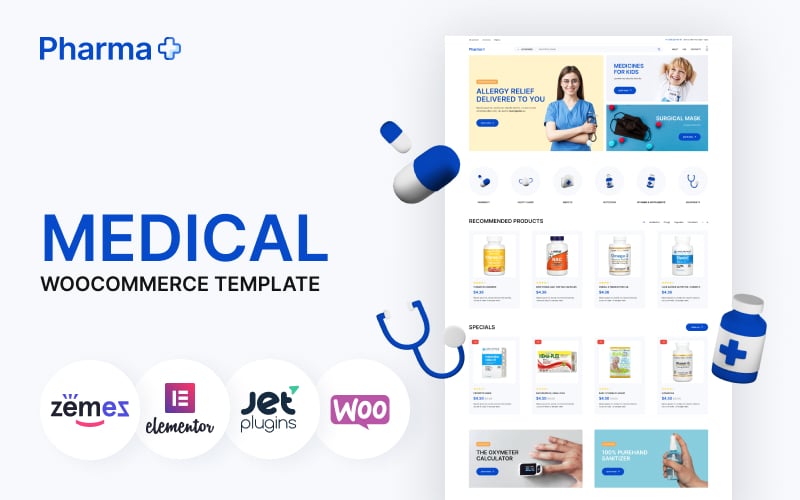
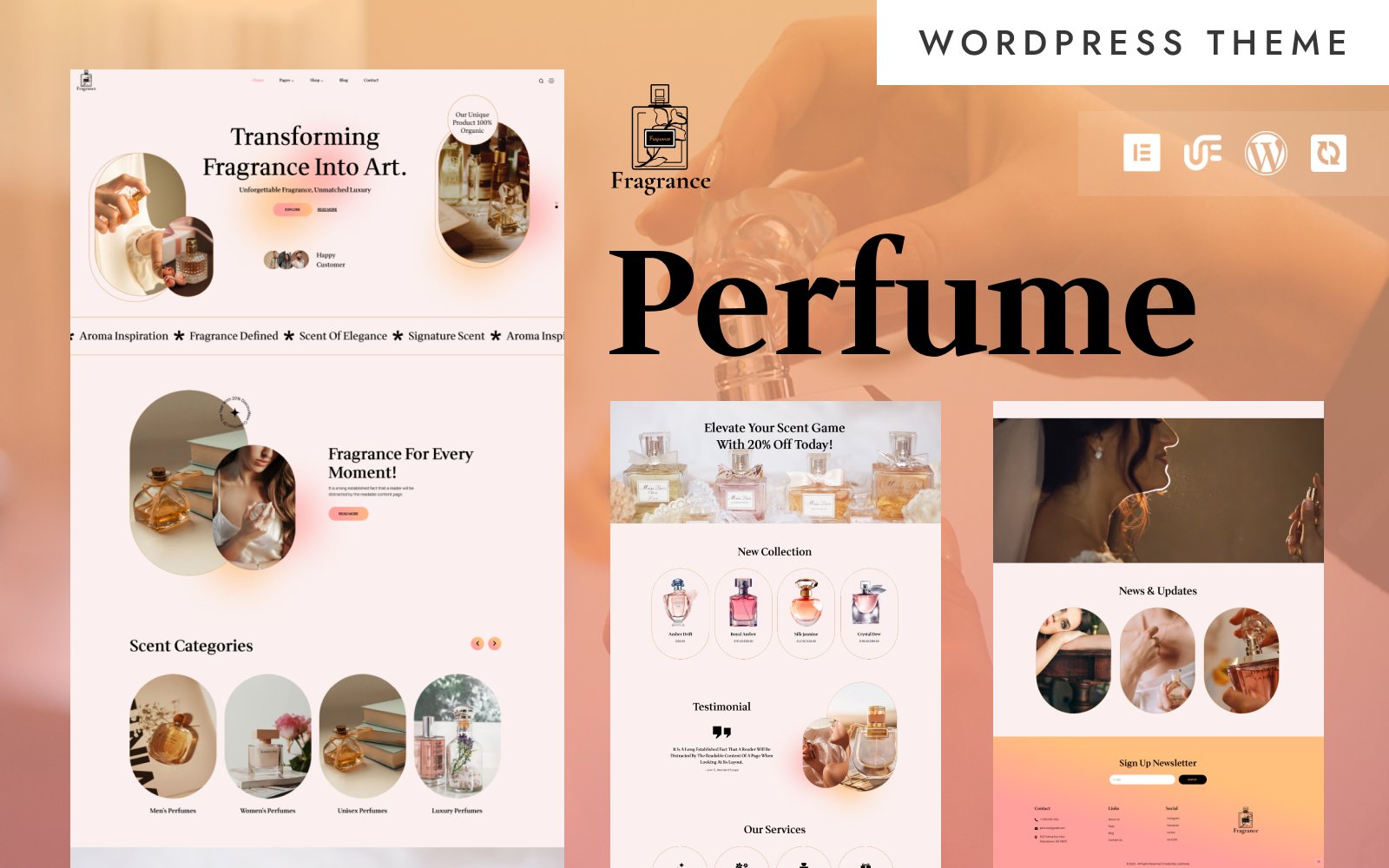
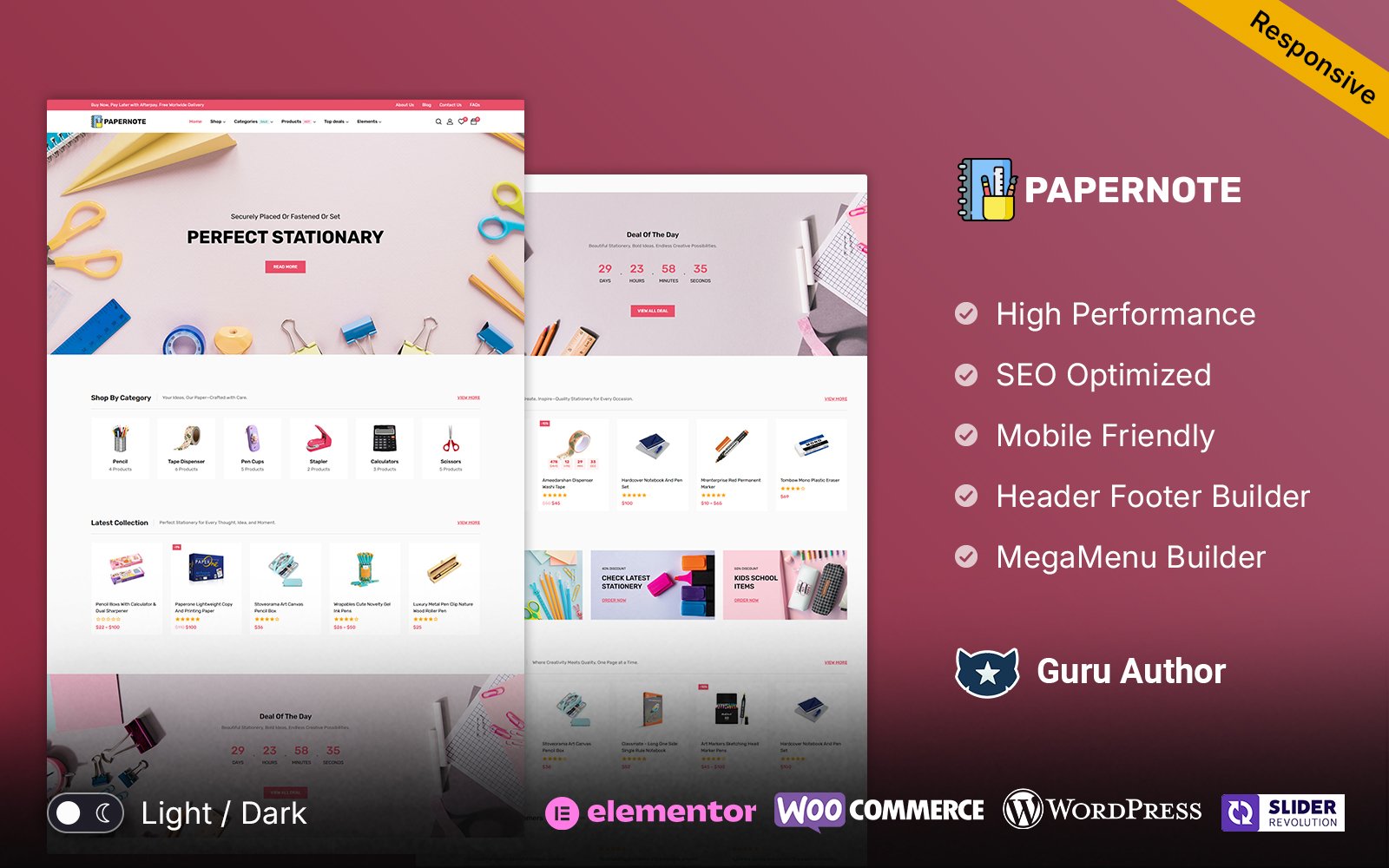
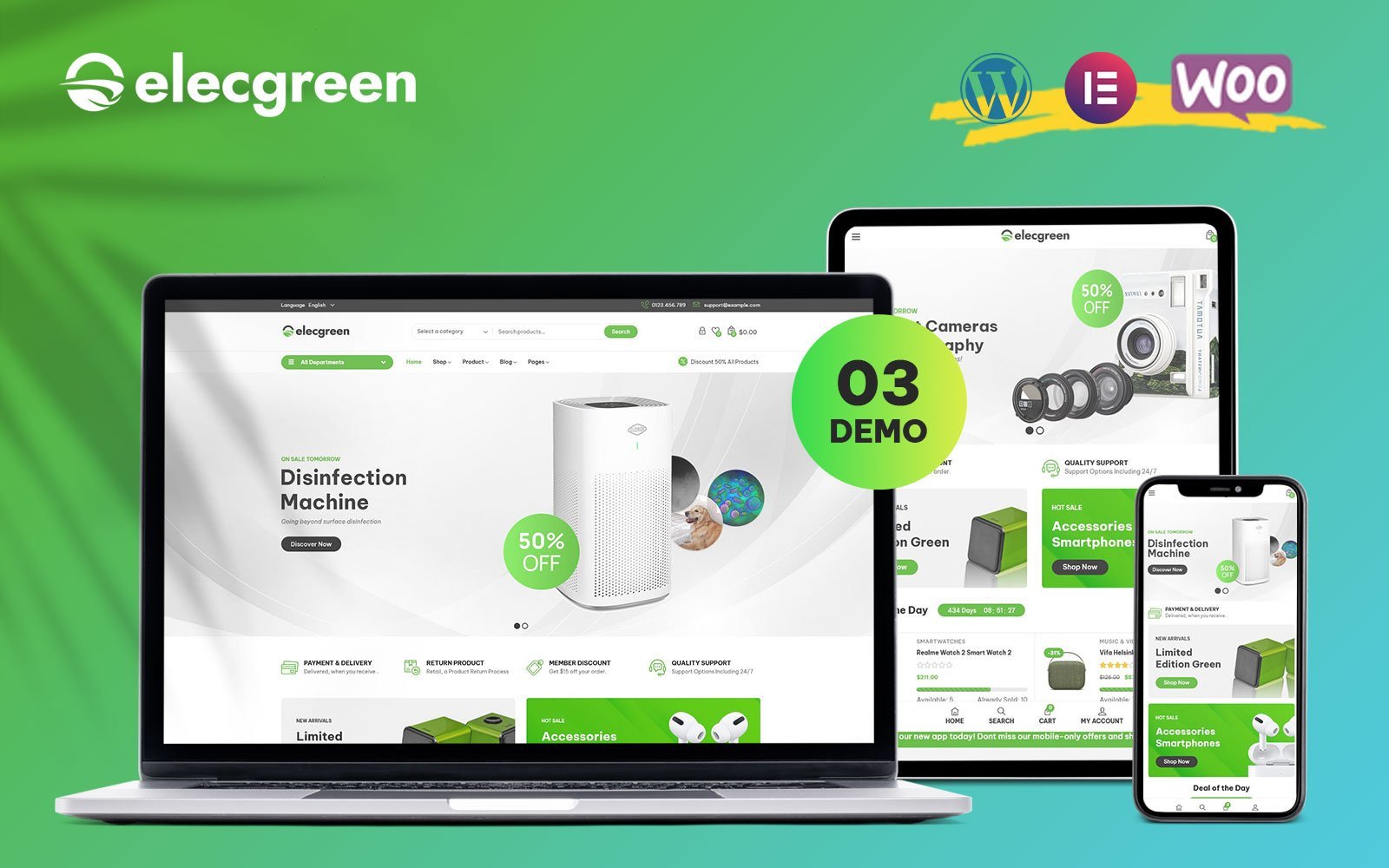
Development of an online store is suitable if you need a store or a catalog of goods that:
- sells or steadily generates applications from search and advertising
- has the correct structure of categories, filters and landing pages
- does not create thousands of duplicates due to chaotic filters
- ready for Google Merchant and advertising (feeds, events, analytics)
- easy to scale: new categories, brands, lines, content
It is not suitable if you need a custom platform with unique ERP functionality without budget and time constraints.
The price is for the standard functionality of the chosen design – if you need unique features, let’s discuss and implement them in advance.
OPTIONS TO CHOOSE FROM:
| Option | Description |
|---|---|
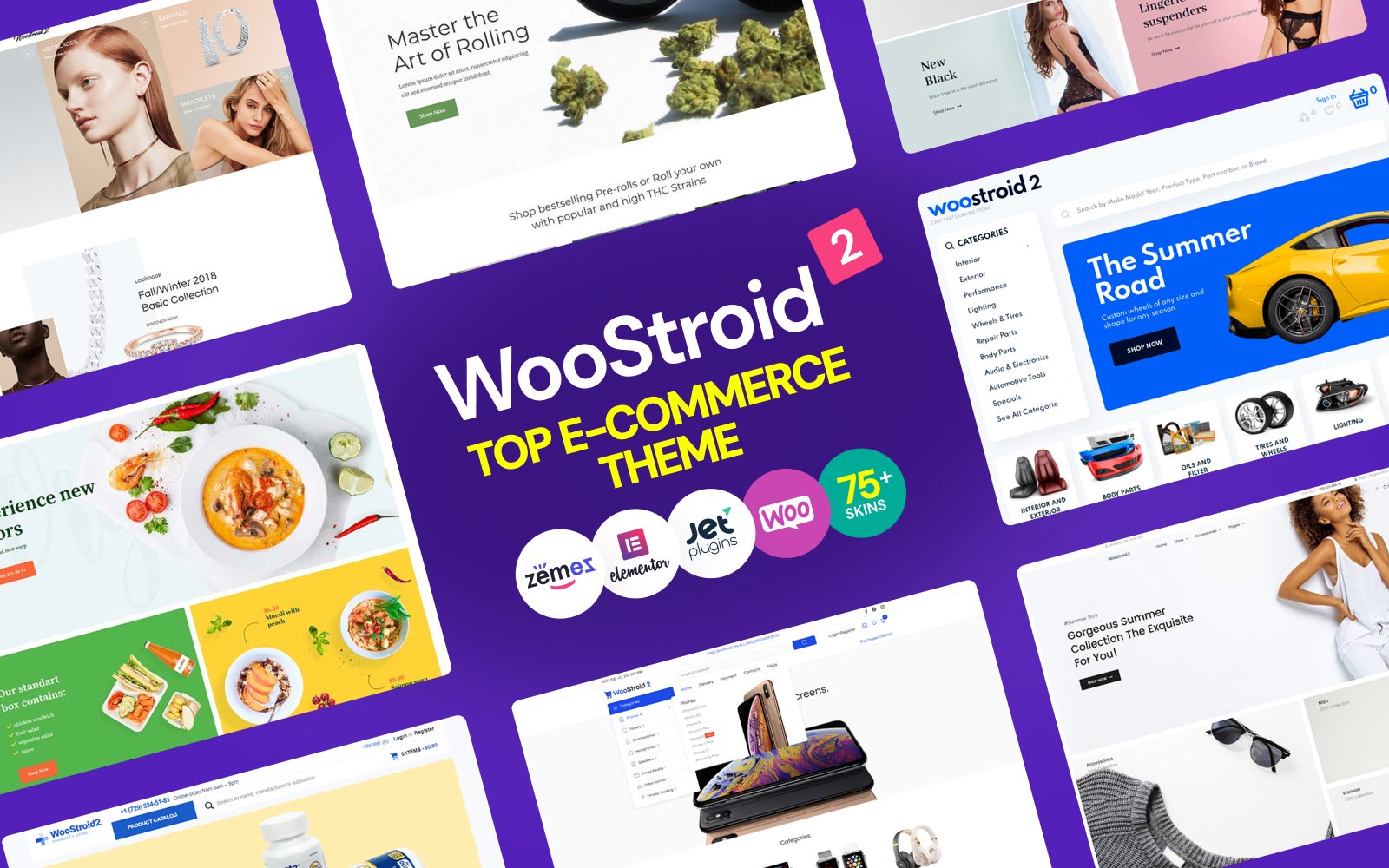
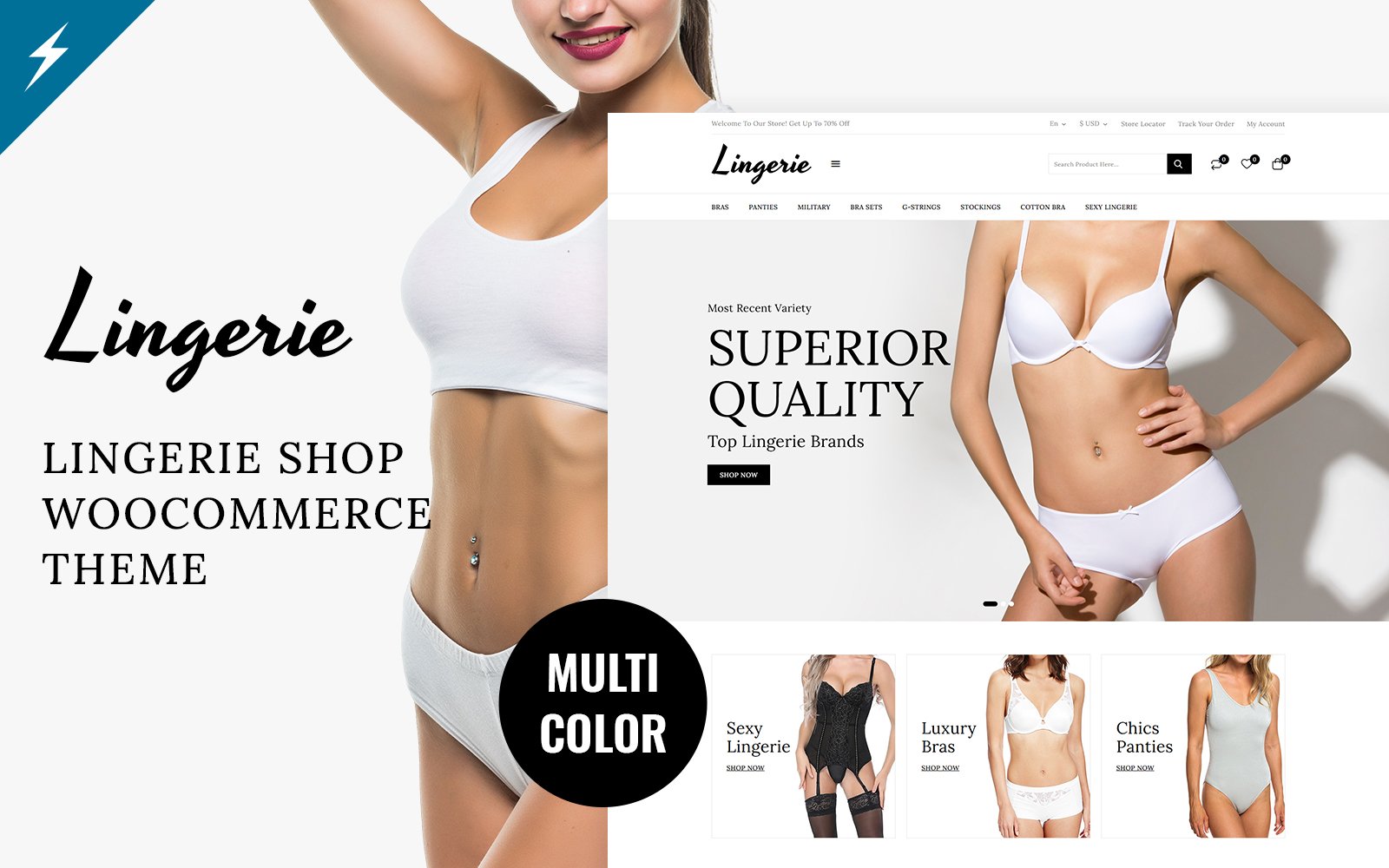
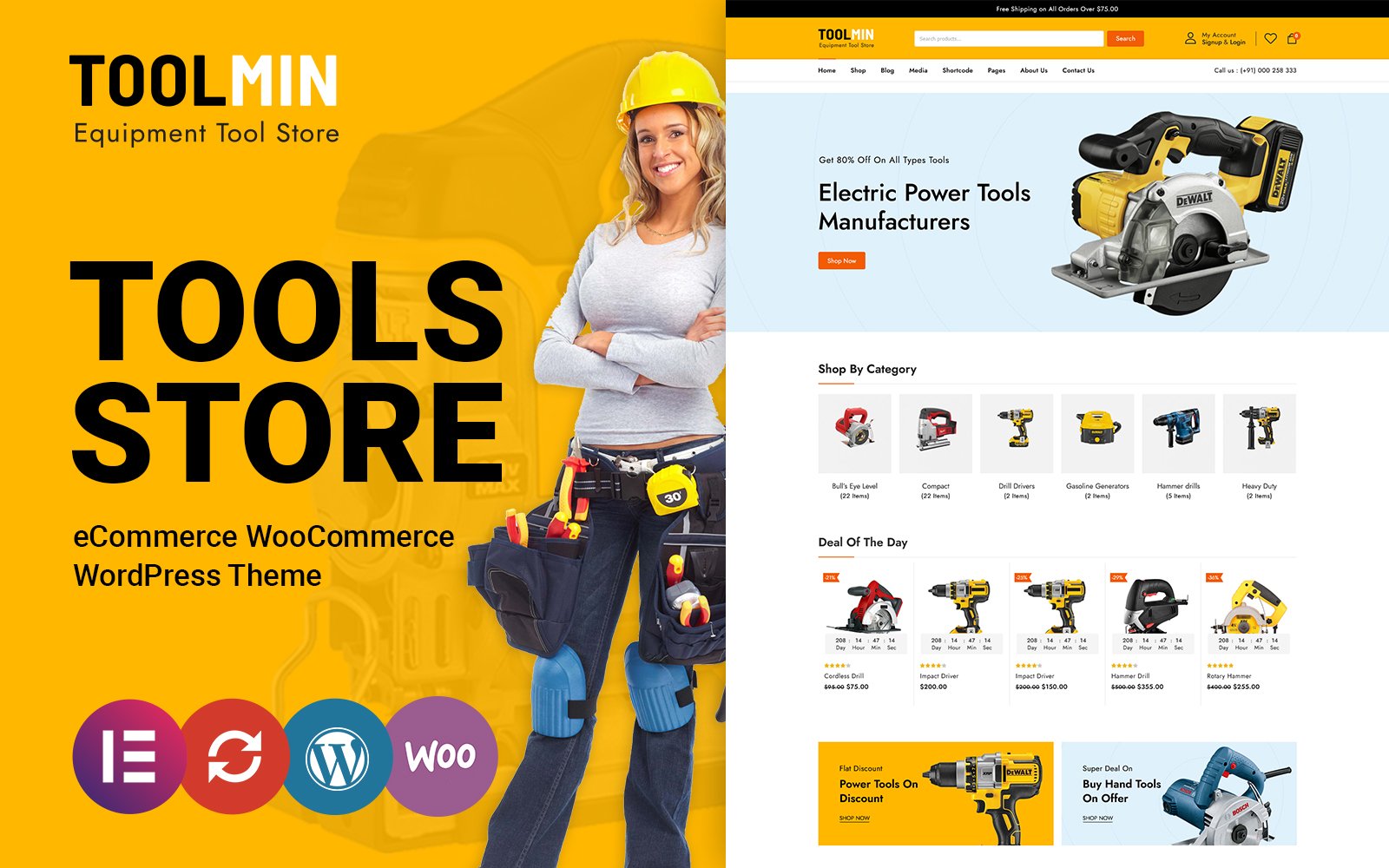
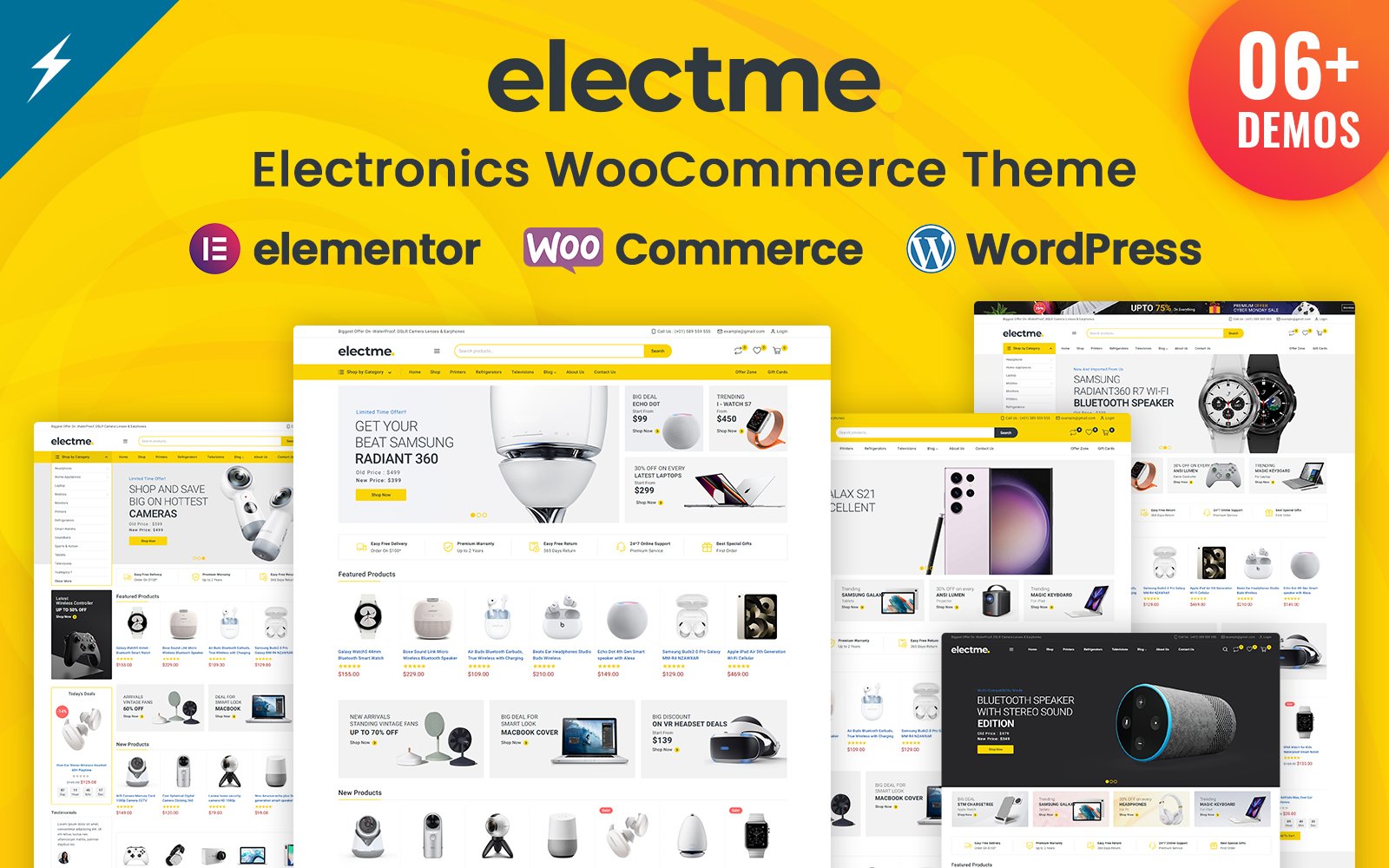
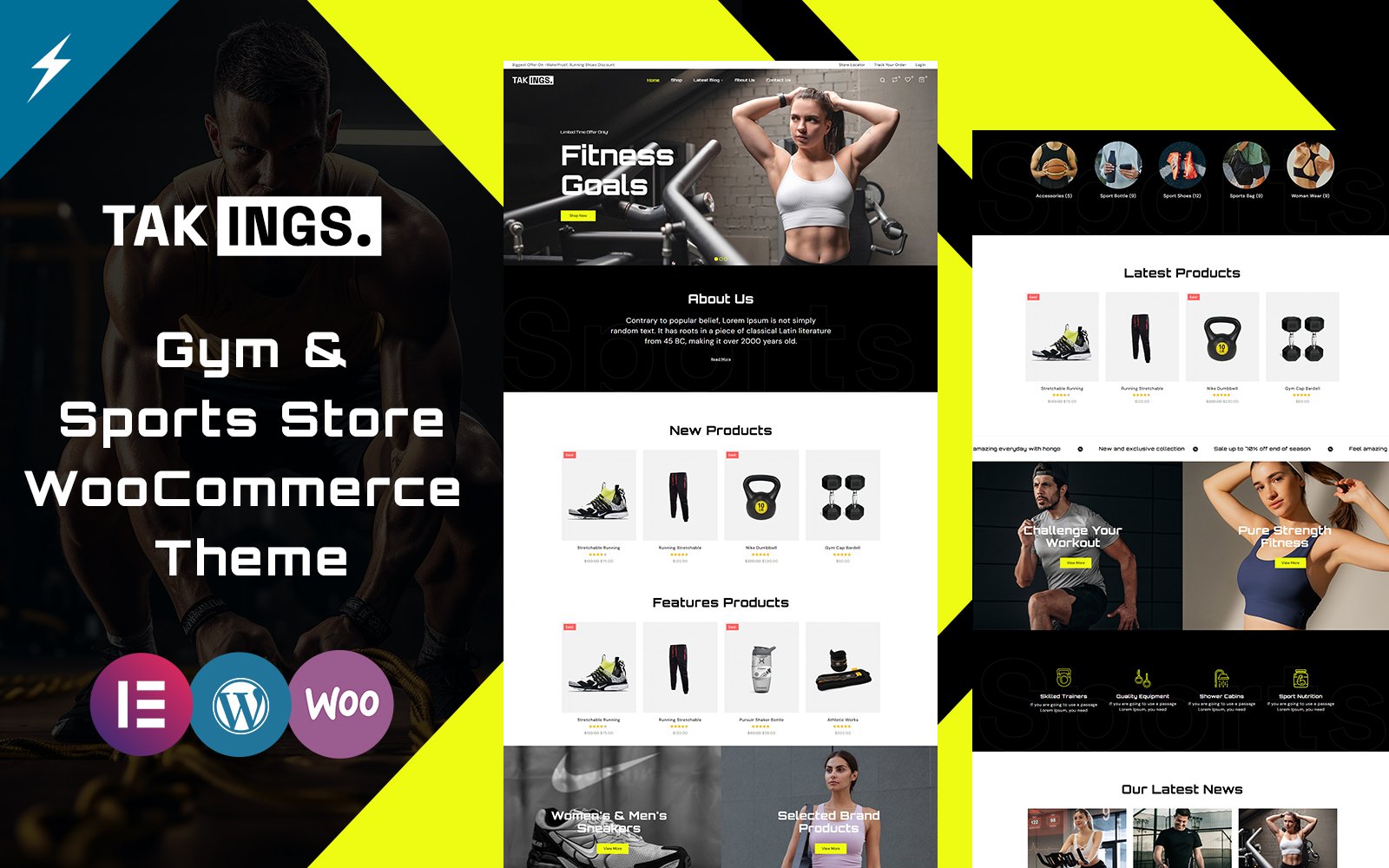
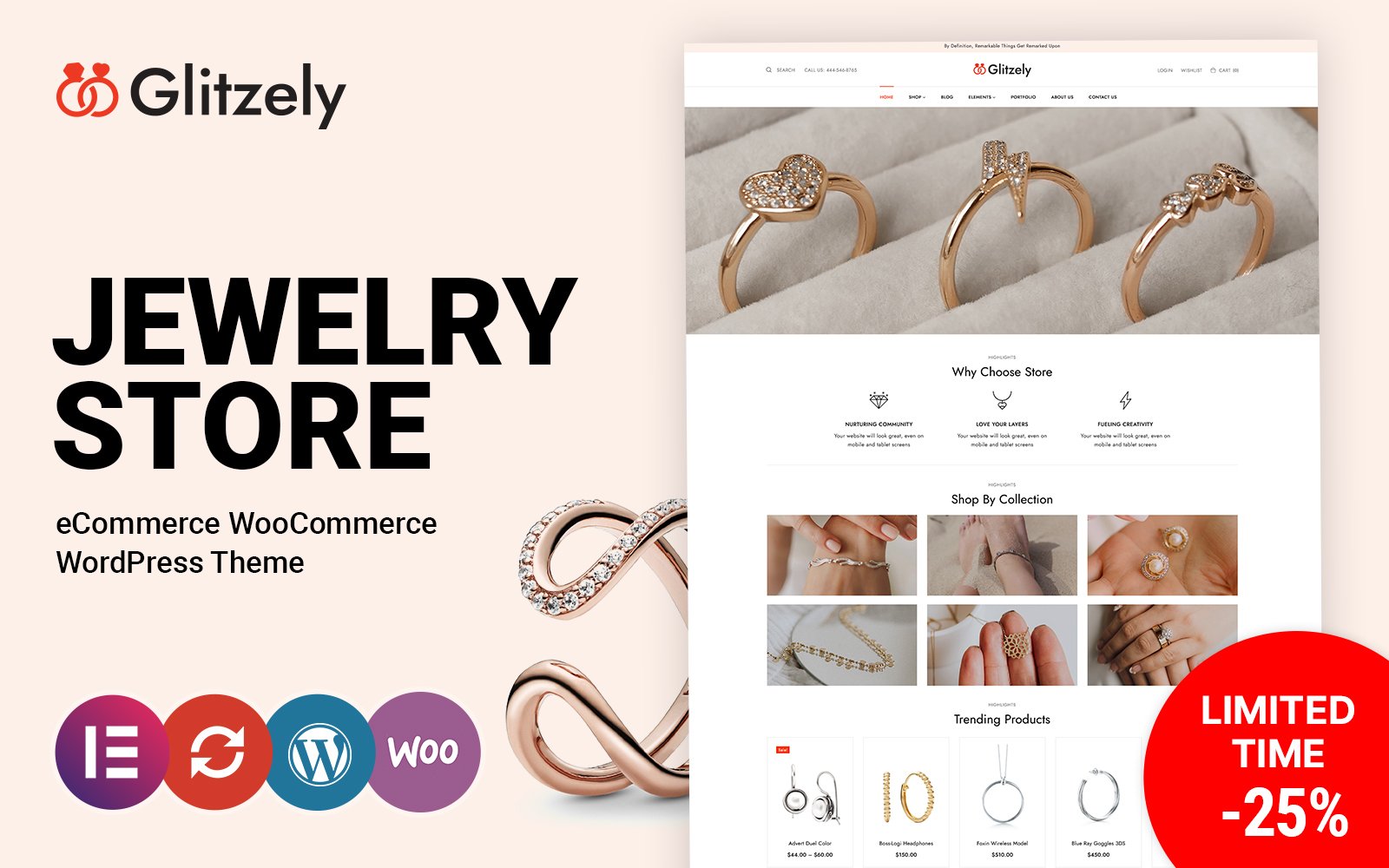
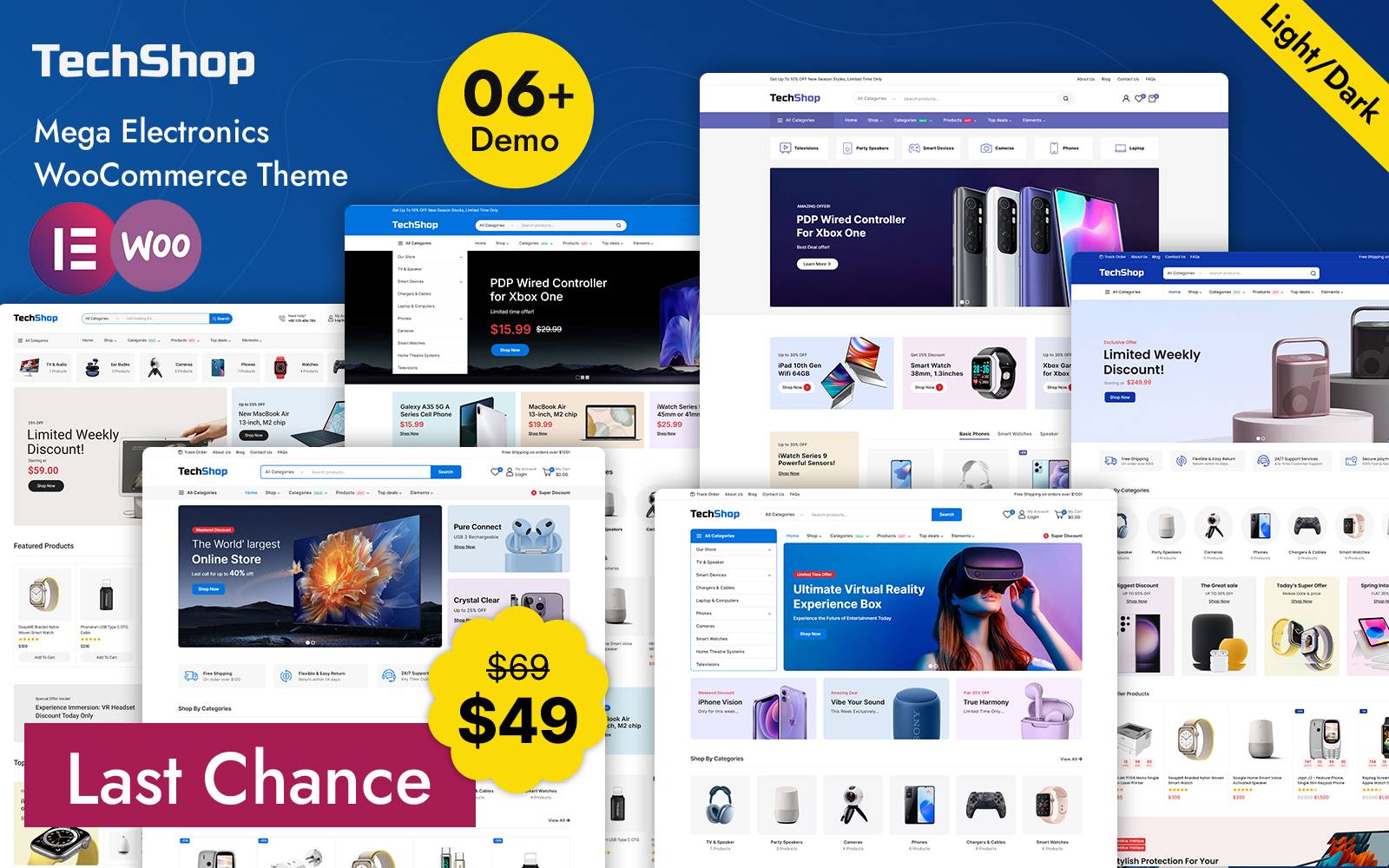
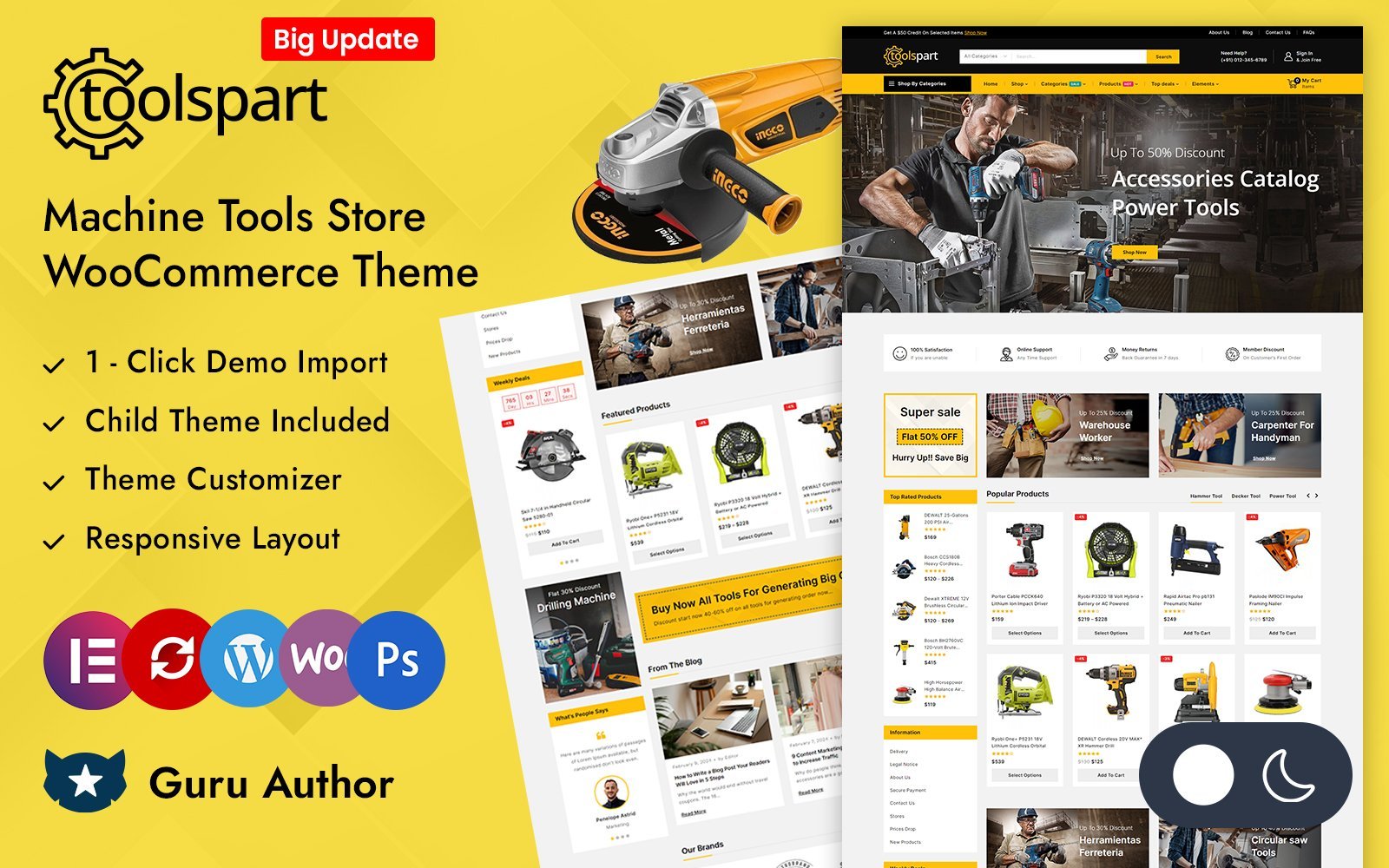
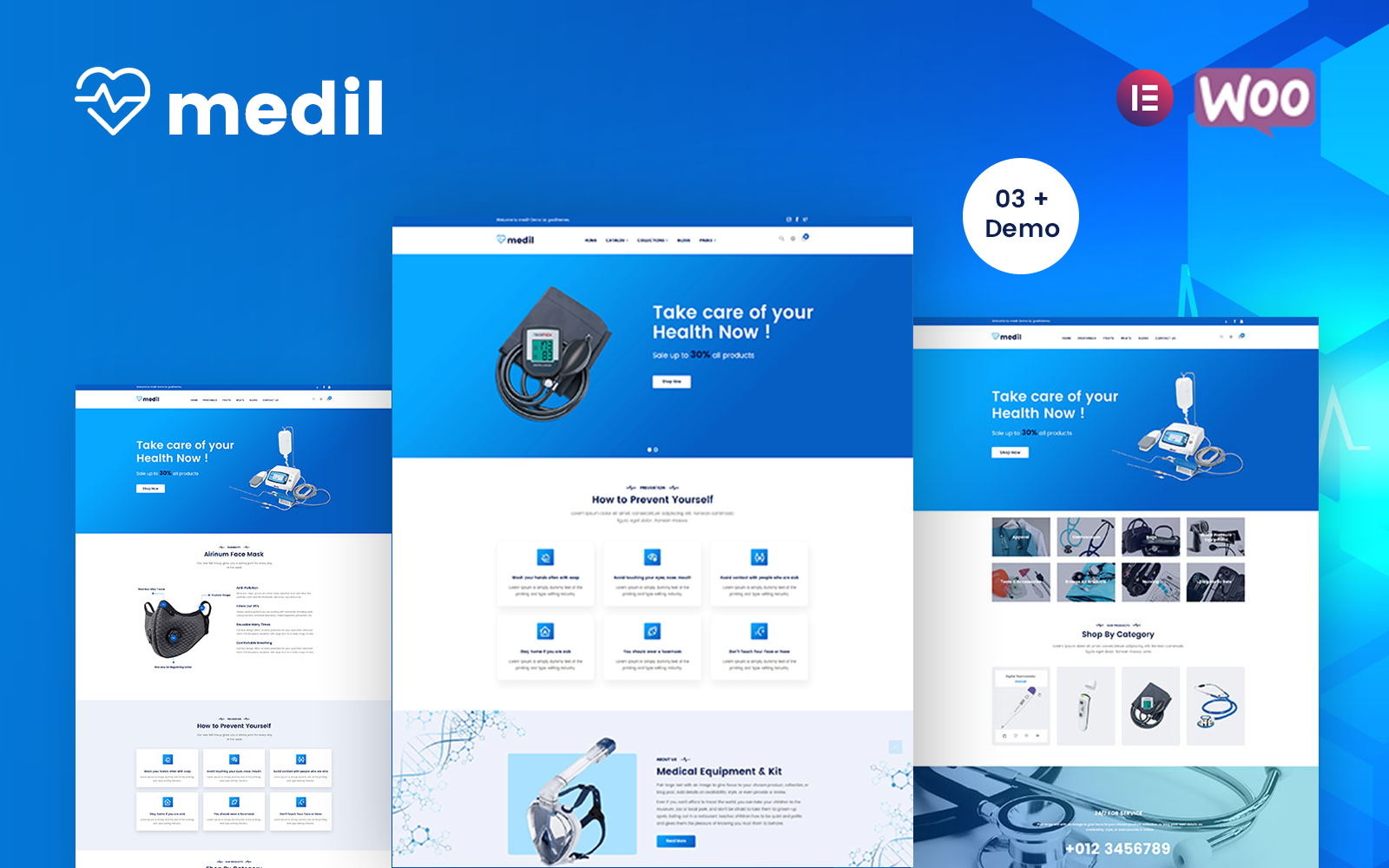
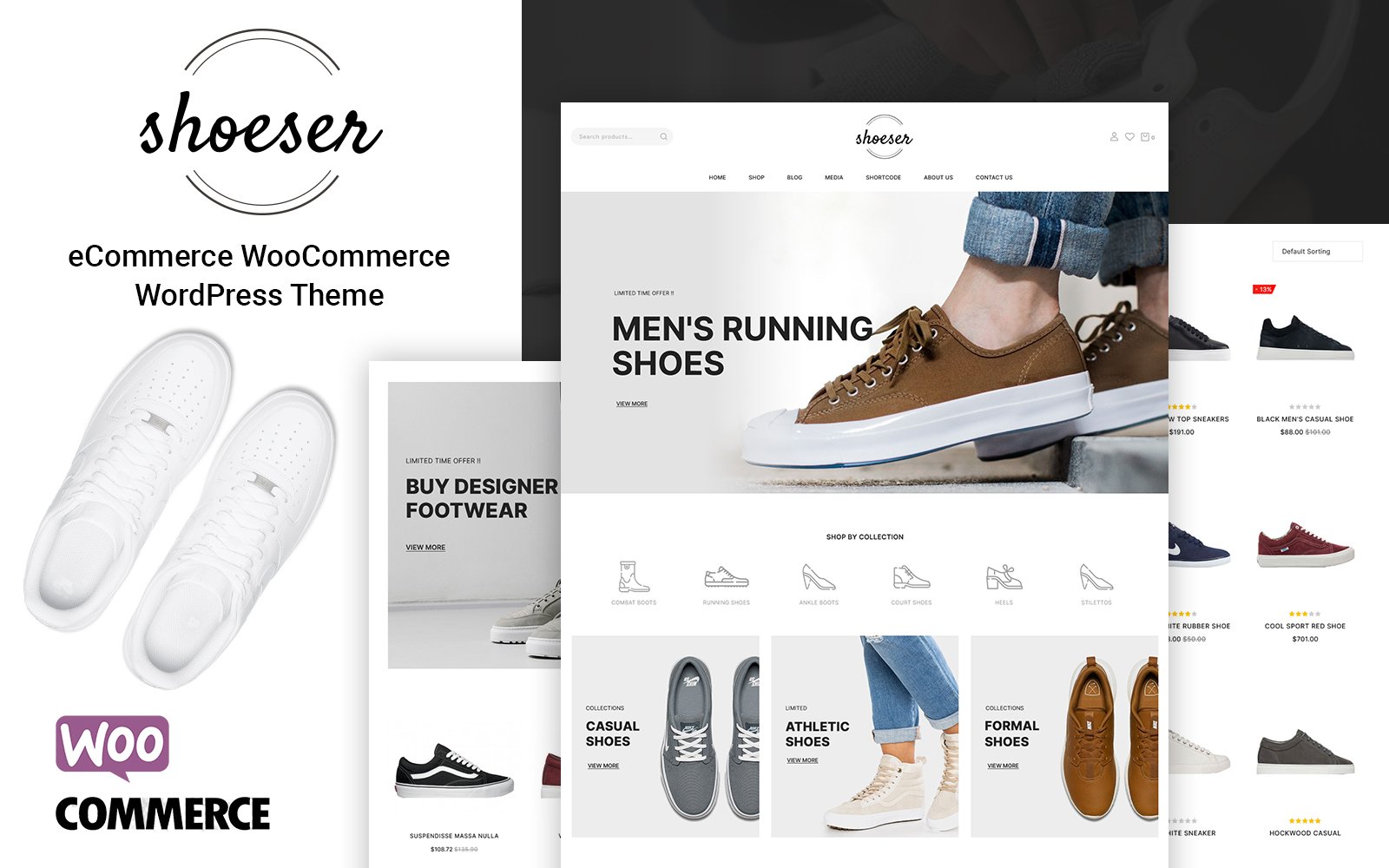
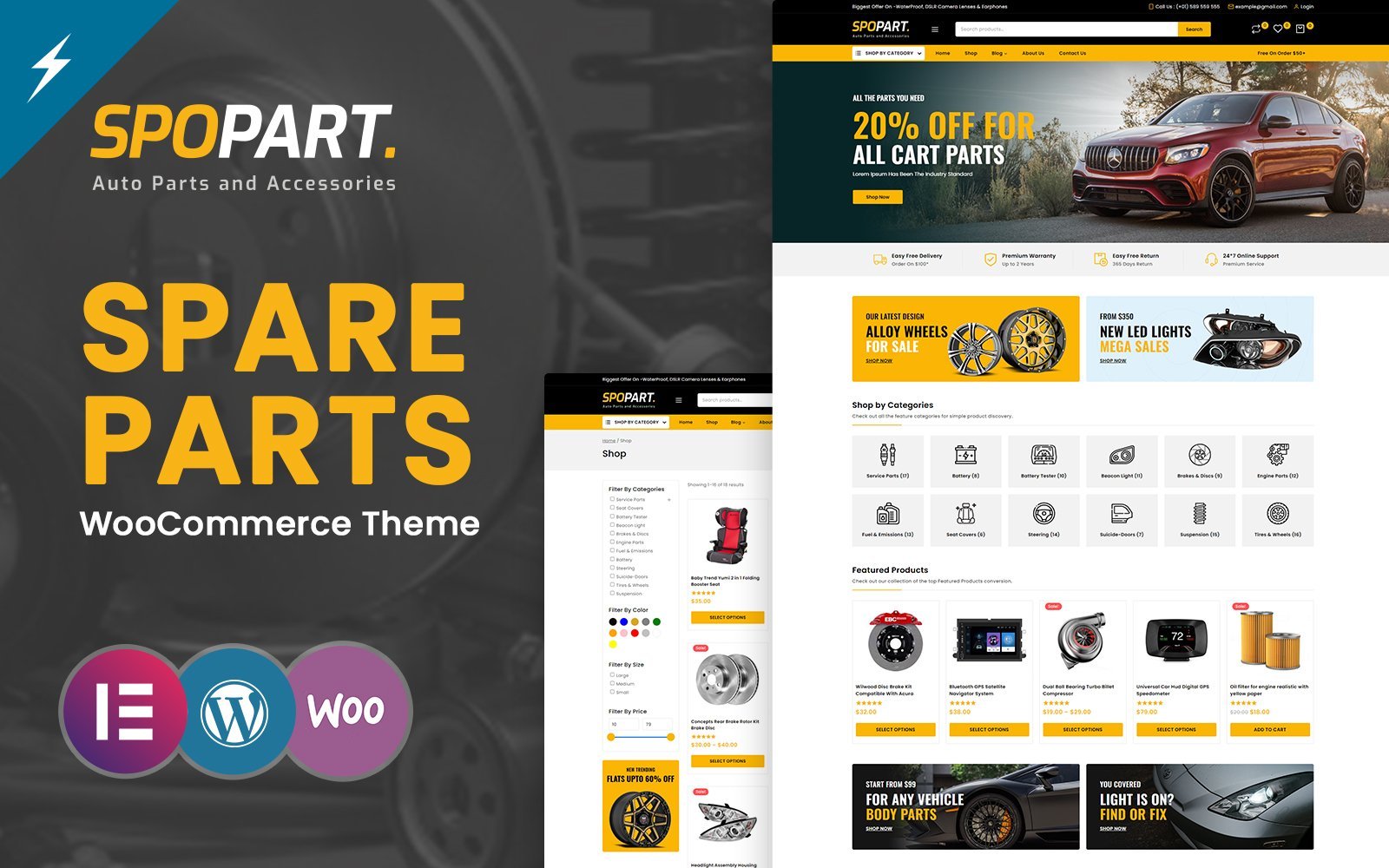
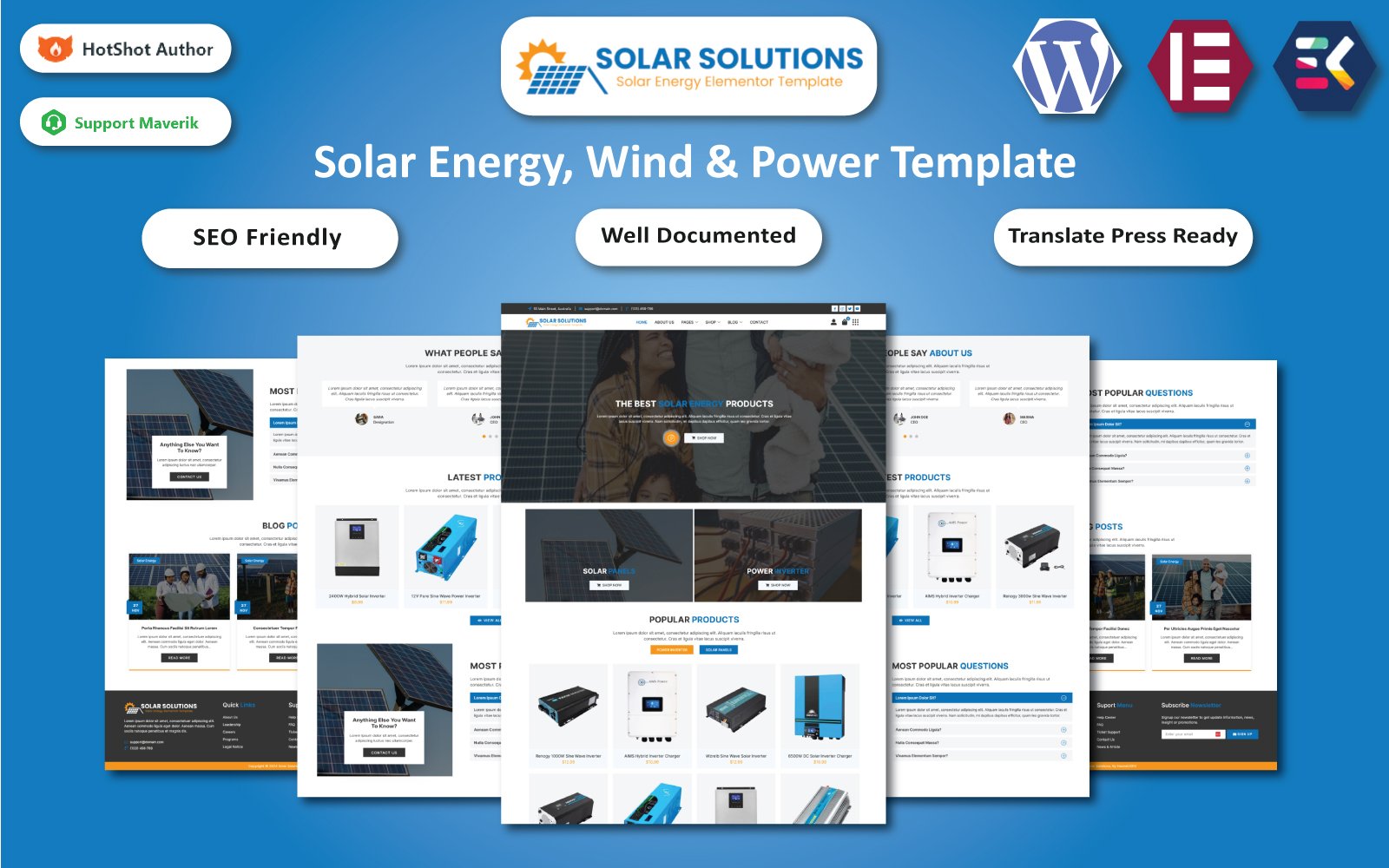
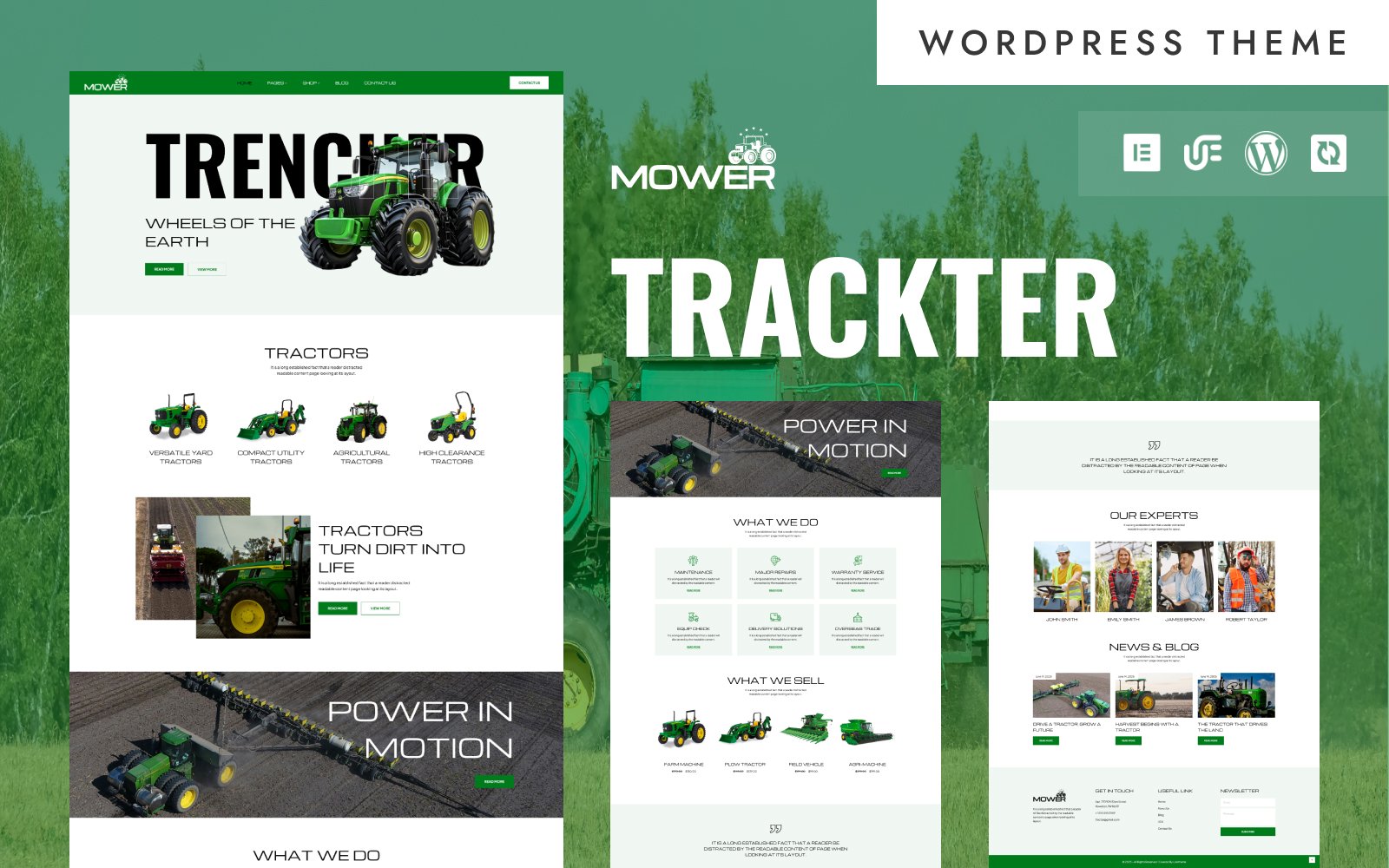
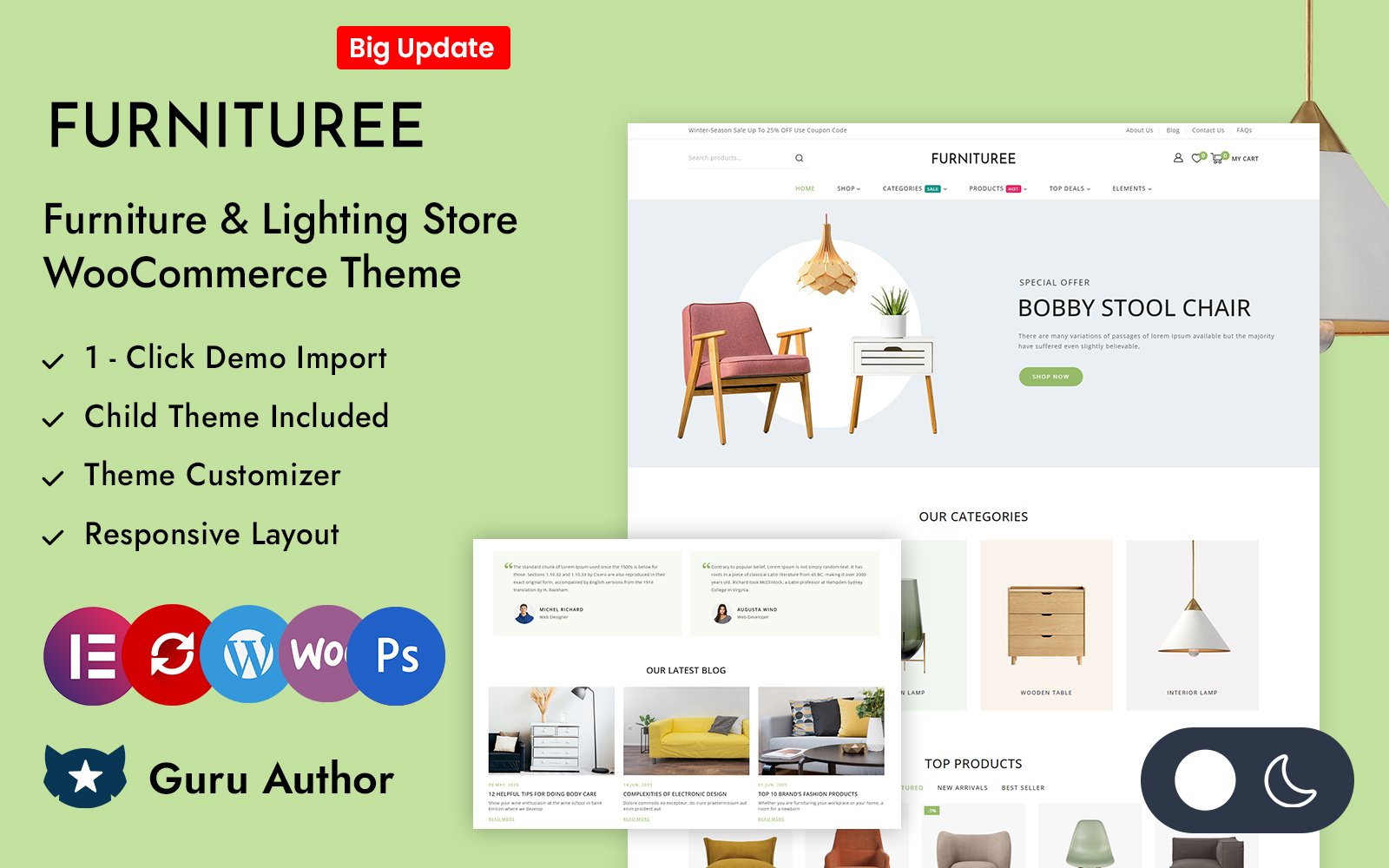
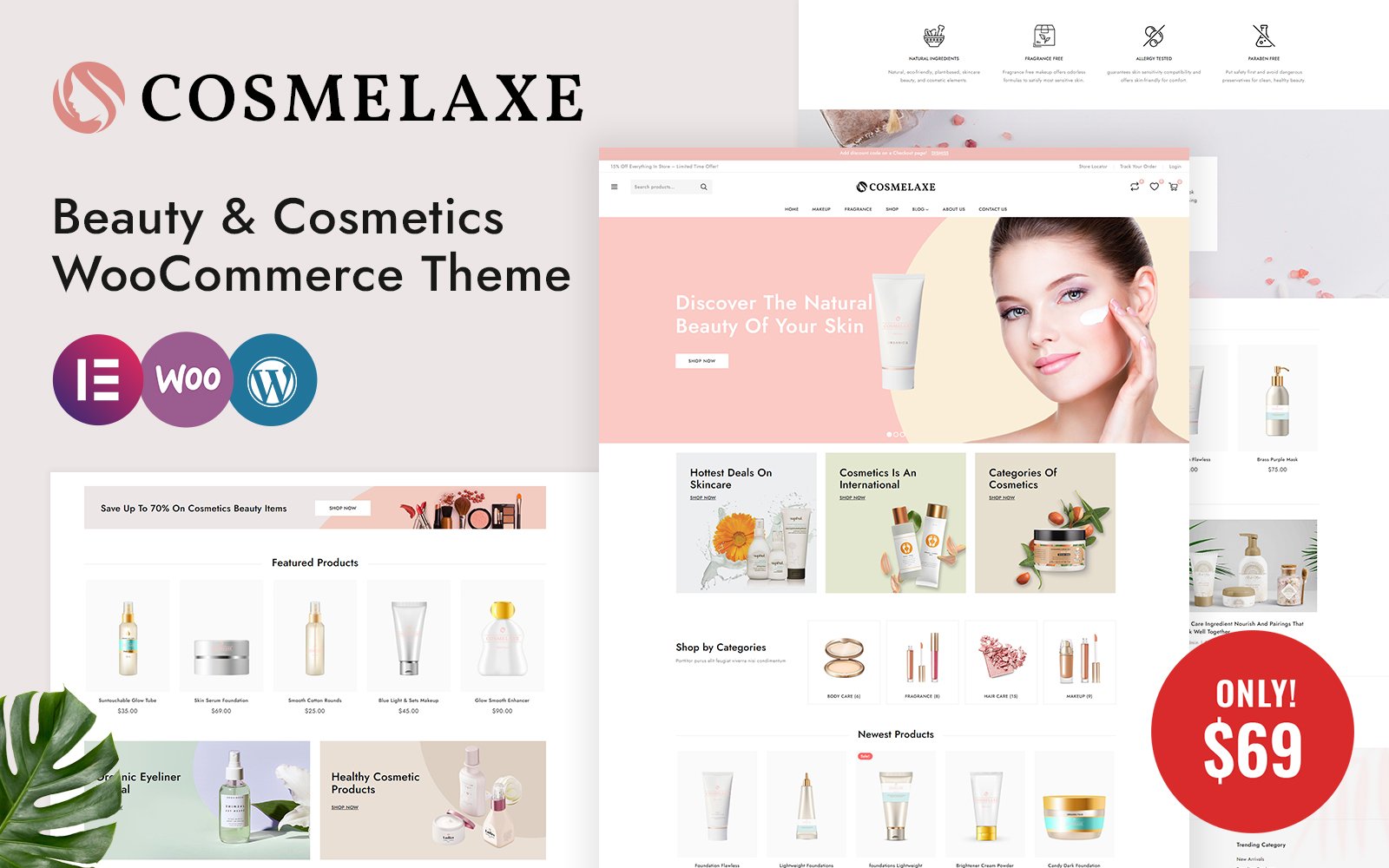
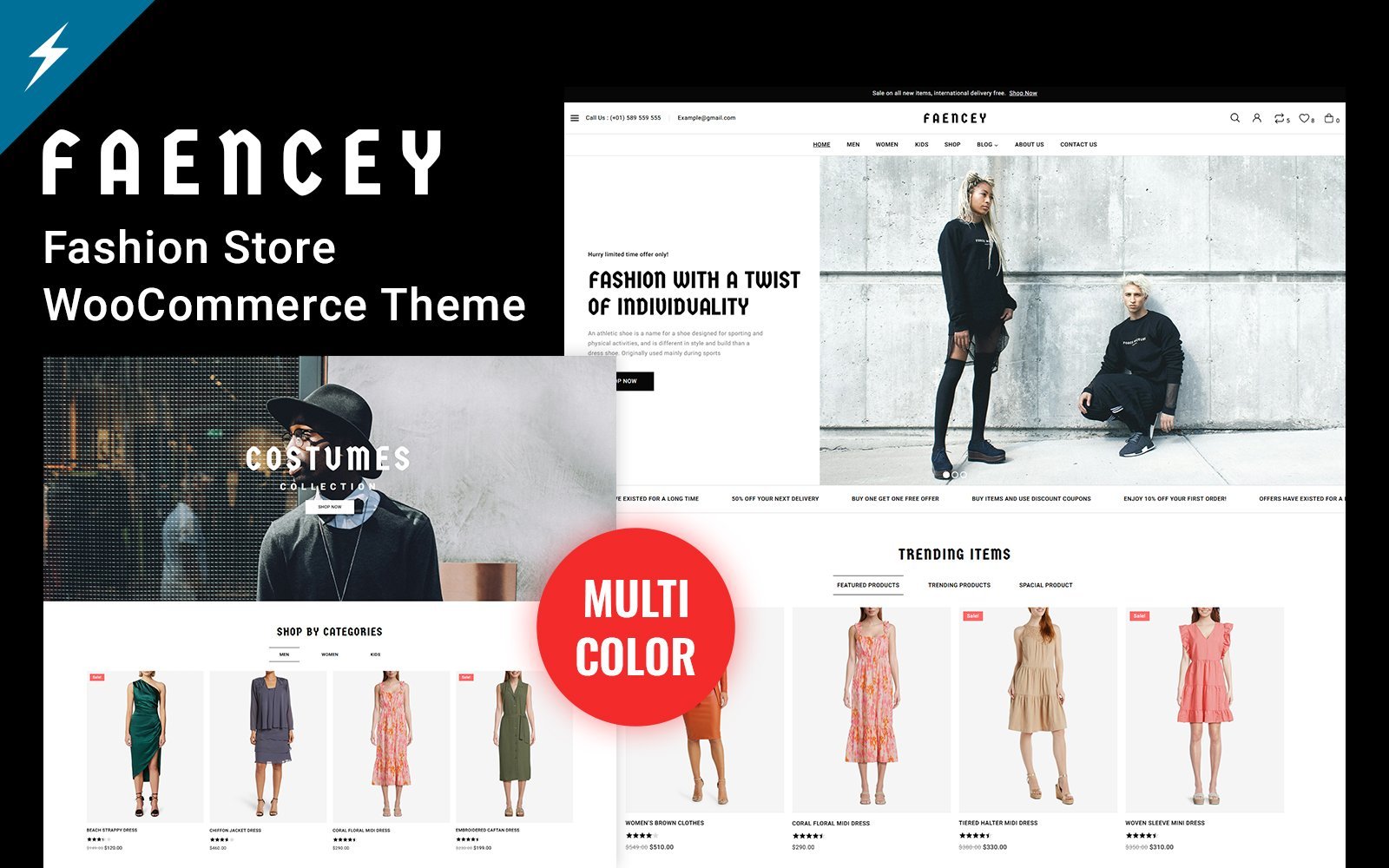
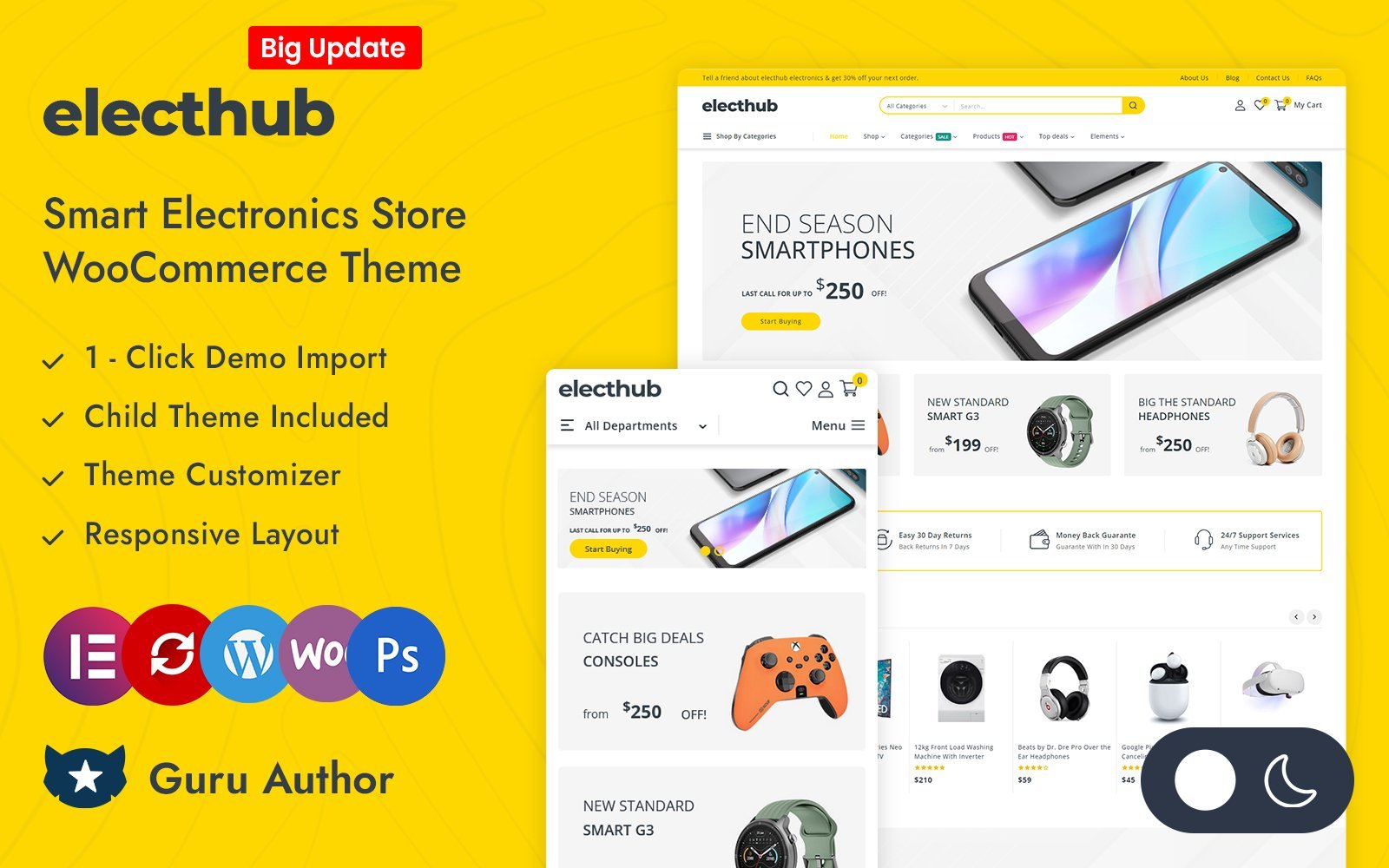
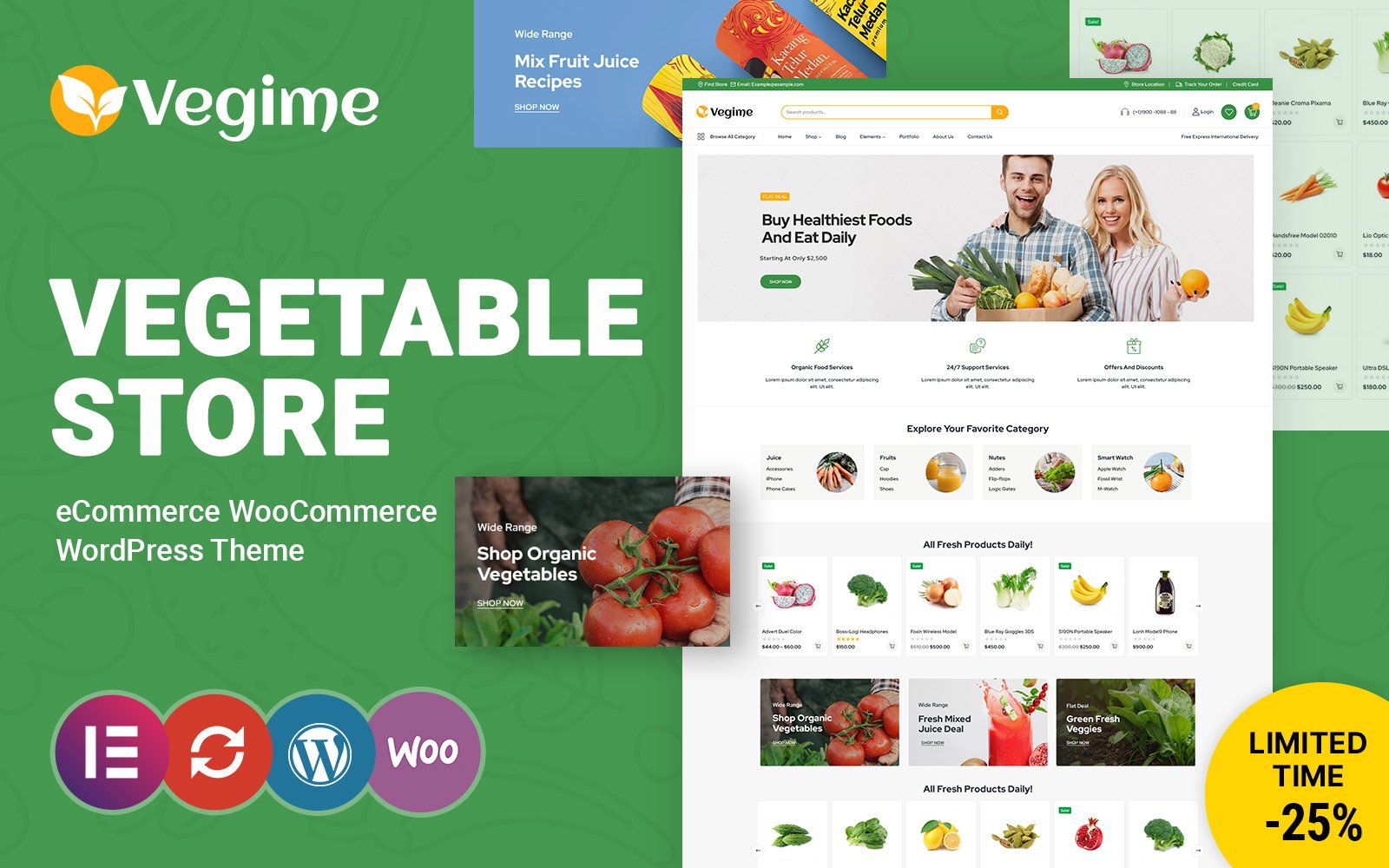
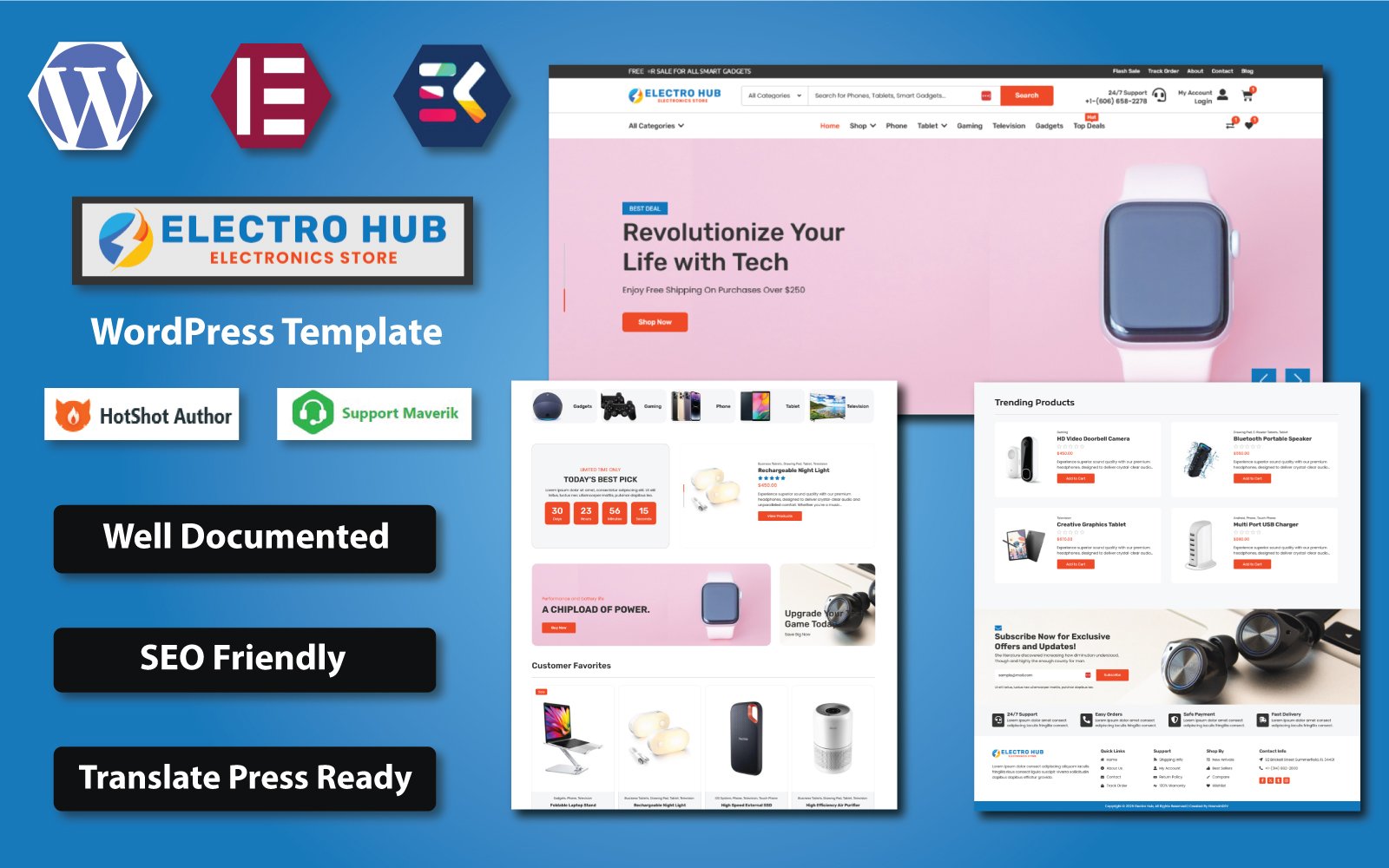
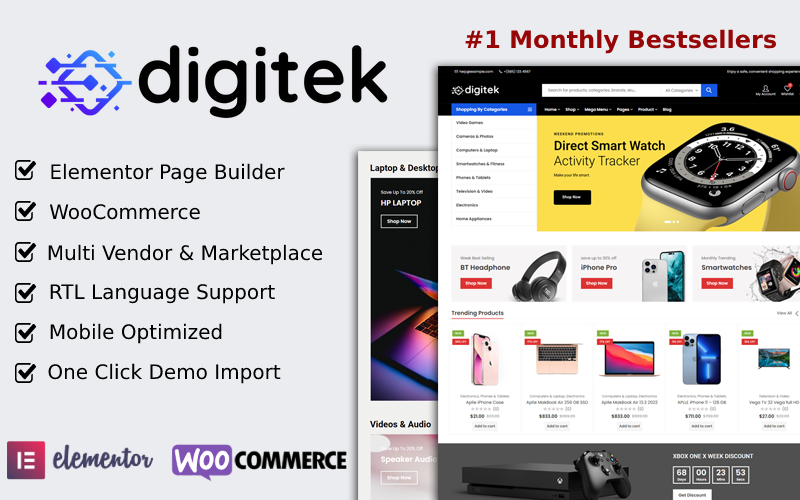
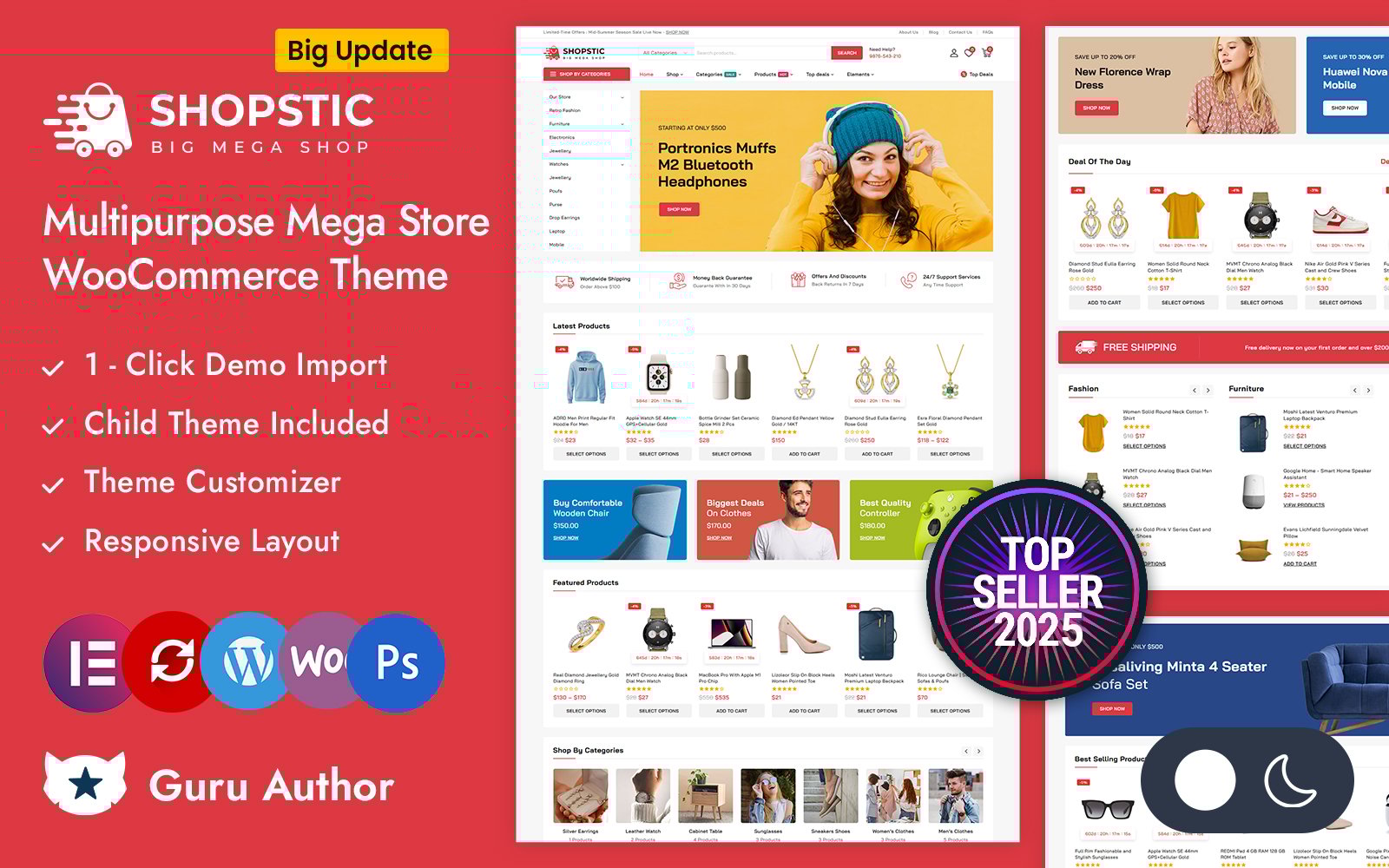
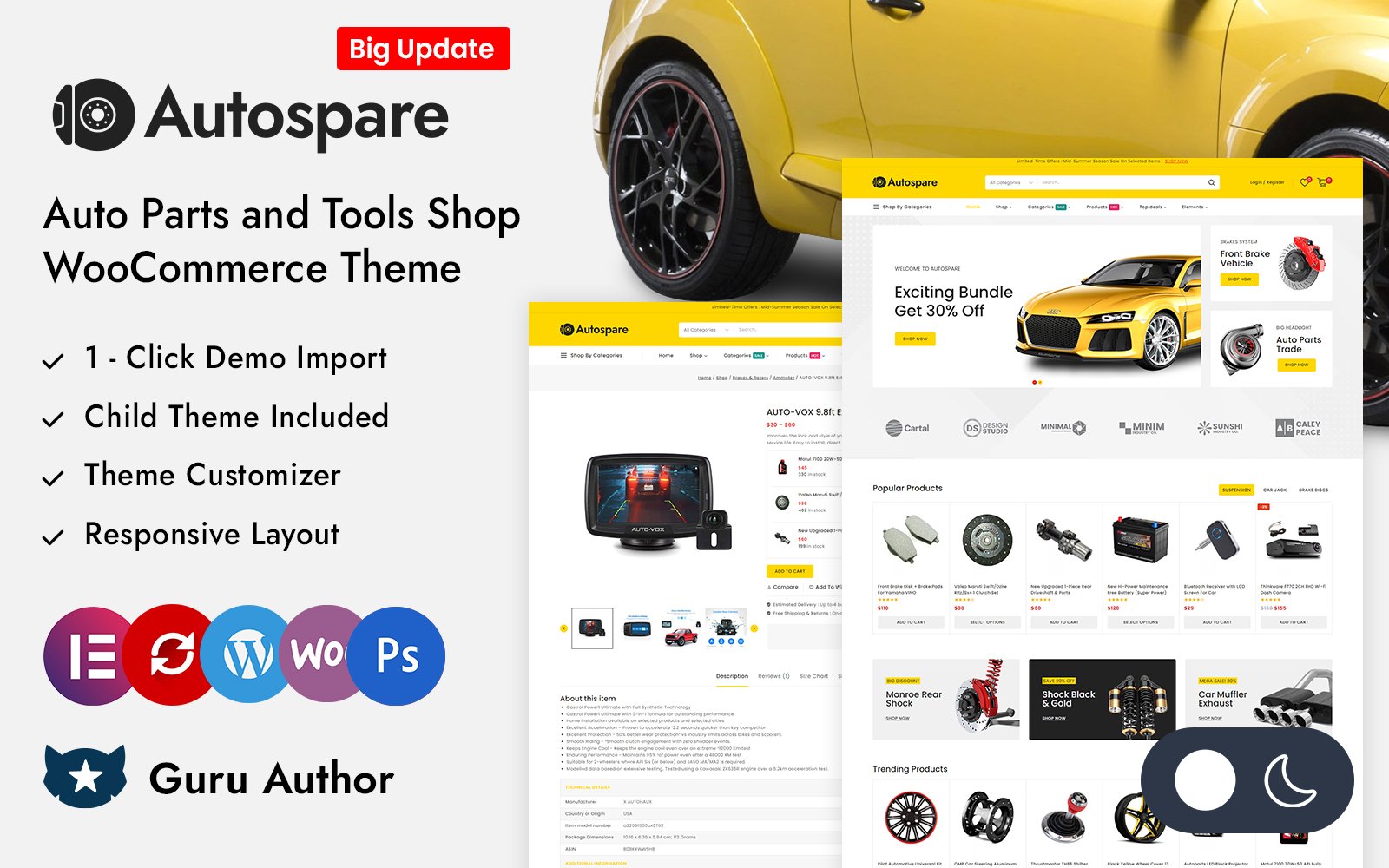
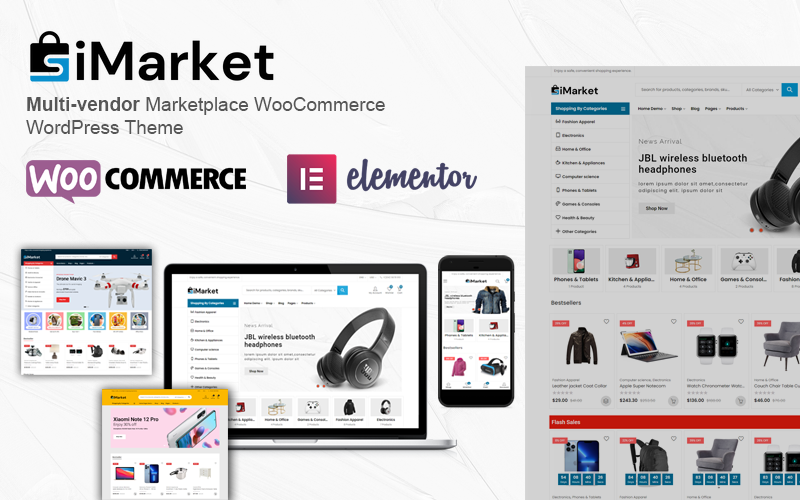
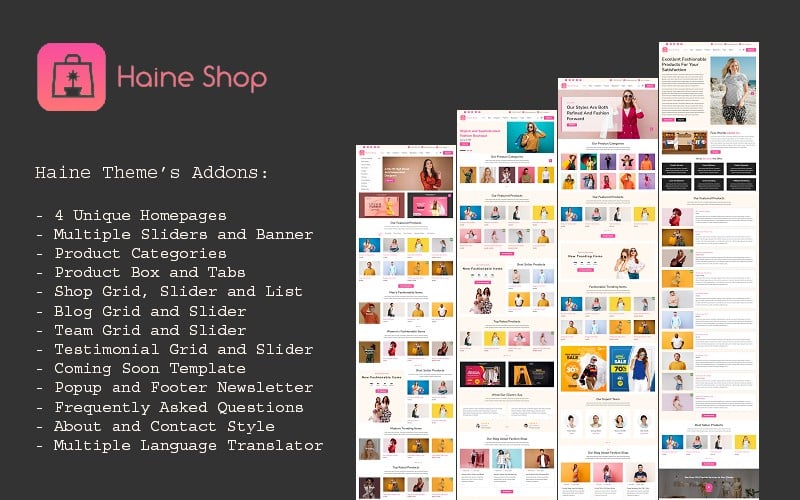
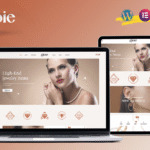
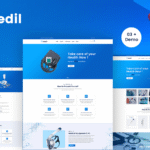
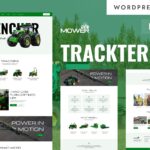
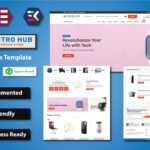
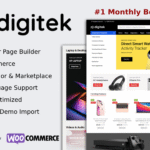
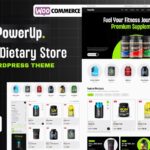
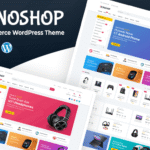
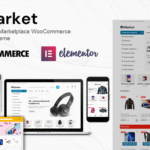
| 1. A store built on any of MonsterONE’s premium templates | A fully-featured online store based on a template from the collection MonsterONE, customized to match your brand’s style. |
| 2. A store based on your design template | You purchase the design template separately (for example, on Envato ThemeForest), provide the archive containing the license activation code—we’ll handle the installation and configuration. |
| 3. Turnkey Online Store (+ Hosting + Domain) | The same package, but the price includes either 1 year of DDoS-resistant hosting or 1 month of business hosting—whichever you prefer. No hassle—we’ll register everything under your name, set it up, and grant ourselves access for work—all you’ll need to do is set your own password. If you need a specific domain, we can discuss it. |
How the work is done
- Brief conversation 20 minutes: sales model, assortment, geo, goals
- We agree on the structure of the catalog and basic requirements
- Choose a template and get started
- Setting up WooCommerce, structure, SEO readiness, analytics
- Import goods (using the agreed file template)
- Connect payment/delivery or catalog mode
- Final edits and launch
Timeframe: up to 14 days (for standard volume).
Post-launch growth plan (Digital Roadmap)
Once the project is launched, you’ll receive a marketing strategy.
Warranty and limits of liability
- 30 days warranty on technical errors within the agreed functionality
- New integrations, changes to cart/checkout logic, additional roles, complex filters, redesign, massive content, structure changes – these are performed as paid tasks in the format of support
Do you want to understand which website format you need and what will give you the fastest effect in SEO and applications?
Sign up for a strategic session or write to us – and we’ll show you the best option for your goals and budget.
An online store or catalog for selling products
Your customers will find, compare, and select products, or submit a specific inquiry to a manager
We’ll create an online store, a product catalog, or a hybrid platform for manufacturers, suppliers, distributors, or retailers.
We won’t just post photos of the products and a “Buy” button.
Let’s build a product lineup structure that will allow customers to:
- find the right category;
- use the search function;
- filter the products;
- compare specifications;
- select a model or variant;
- Check price and availability;
- place an order;
- request a quote;
- receive a commercial proposal;
- contact the manager responsible for a specific product.
The website is built using WordPress and WooCommerce, is optimized for smartphones, and can be further developed through SEO, advertising, product feeds, integrations, automation, and new sales channels.
Can you help me figure out the format?
Not just a shopping cart, but a digital merchandising system
An online store is often thought of as a website where a person:
- Selects a product.
- Adds it to the cart.
- Pays for it.
- Awaiting delivery.
This is just one of several possible scenarios.
For manufacturers, wholesale suppliers, construction companies, sellers of technical products, and B2B businesses, the website can serve a different purpose.
The buyer is responsible for:
- reviews the product lineup;
- selects a category;
- compares models;
- checks the specifications;
- uploads documents;
- compiles a list of the required products;
- sends a request to the manager.
The final price, configuration, delivery, and terms of the agreement may be finalized after you contact us.
That’s why we determine the format not just based on the question “Do we need a shopping cart?”, but on how customers search for, select, and order your products.
Three Possible Models
1. Classic Online Store
Suitable if:
- prices are known;
- The product can be ordered without any additional charges;
- there is clearly a presence;
- specified payment methods;
- well-established delivery service;
- The business is ready to process online orders.
A customer can:
- select an item;
- select an option;
- add it to the cart;
- place an order;
- pay;
- receive confirmation.
2. Catalog with a request to the manager
Suitable if:
- The price depends on the volume;
- A technical calculation is required;
- The product is assembled individually;
- The terms vary for each customer;
- Sales are made through negotiations;
- Products are made to order;
- I need to consult a specialist.
Instead of a standard purchase, you can use the following actions:
- Check the price;
- Check availability;
- Get a quote;
- Schedule a consultation;
- Add to request;
- Request a commercial proposal;
- Select a configuration;
- Contact a manager.
A catalog can include full-featured categories, product listings, specifications, tags, search, and filters—even without online payment.
3. Mixed format
Some products can be purchased through the shopping cart, while others require a request to a manager.
For example:
- Standard products are sold online;
- Large orders are billed separately;
- Standard configurations come at a price;
- Custom solutions require consultation;
- Retail customers place orders;
- Wholesale buyers are asking for special terms.
This format is often a good fit for manufacturers, suppliers, and companies that combine products with installation or service.
When a Store or Catalog Is the Right Choice
This format is suitable if a business has:
- product range;
- several categories;
- model or series;
- specifications;
- product options;
- various volumes, sizes, or colors;
- retail or wholesale customers;
- the need for search and filters;
- SEO potential based on product names;
- advertising of individual items;
- managers who need convenient links;
- plans to expand the product line;
- the ability to sell independently of any marketplace or social network.
It could be:
- manufacturer;
- distributor;
- importer;
- wholesale supplier;
- retail store;
- An Instagram store with steady sales;
- marketplace seller;
- a company that sells a product along with a service;
- local brand;
- A B2B supplier of technical products.
When a service website is enough
A catalog is not necessary simply because the company occasionally uses certain materials or equipment.
A service website may be sufficient if:
- The client chooses, first and foremost, the specialist’s work;
- there is no distinct demand for the product;
- The products are not sold separately;
- The selection is limited to a few models;
- There is no need to compare the models;
- There are no plans to expand the product line.
For example, if a company sells a comprehensive solution rather than the materials themselves, individual product pages may be unnecessary.
But if customers are already looking for specific:
- brands;
- models;
- materials;
- dimensions;
- capacity;
- configurations;
- product types,
A directory can provide businesses with more opportunities for search and advertising.
What exactly are you buying?
You are not ordering WooCommerce installation or a pre-designed store layout.
You are ordering the development of the first working version of your business’s e-commerce system.
The work consists of the following steps.
1. Understanding the Business Model
Before beginning development, we determine:
- what you’re selling;
- who buys;
- how the selection process works;
- Are the prices known?;
- Do you need advice?;
- how inventory is monitored;
- What product options are available?;
- how payment is made;
- how delivery is organized;
- Are there any wholesale customers?;
- Is a request for a commercial proposal required?;
- who will process the order;
- how the website should evolve going forward.
This helps ensure that you don’t just post a haphazard list of products online, but rather build a well-organized structure.
2. Product Line Architecture
Let’s develop a logical system:
- main areas;
- categories;
- subcategories;
- goods;
- specifications;
- brands;
- episodes;
- options;
- tags;
- pages tailored to specific audiences.
The structure should be clear:
- to the client;
- manager;
- search engine;
- advertising platforms;
- the person who will be responsible for updating the catalog going forward.
We do not copy the internal structure of a warehouse or accounting program without first verifying that it is user-friendly for the customer.
A customer may search for products in a different way than the company classifies them.
Structure by Selection Method
A single product line can be organized in several ways.
By product type
For example:
- gate;
- automation;
- roller blinds;
- barrier gates;
- accessories.
By Designation
- for the home;
- for businesses;
- for the warehouse;
- for auto repair shops;
- for production.
In terms of specifications
- material;
- size;
- power;
- color;
- installation type;
- class;
- manufacturer.
According to the problem statement
- protection;
- automation;
- energy efficiency;
- storage;
- transportation;
- Furnishings.
By audience
- retail;
- band;
- dealers;
- installation companies;
- government agencies;
- corporate clients.
A well-structured approach can combine several methods, but it should not become confusing.
Categories as Landing Pages
A category shouldn’t just be a page with product cards.
She may explain:
- that is part of the group;
- Who is it suitable for?;
- how to choose;
- Which characteristics are important;
- which are subcategories;
- What factors determine the price;
- Does it require installation?;
- What documents are available;
- How to get advice.
A category content page can serve as both:
- part of the catalog;
- SEO page;
- landing page for advertising;
- material for the manager;
- Answers to frequently asked questions.
Product Card
A product page should help customers make a decision, not just display the name and price.
Depending on the niche, it may include:
- title;
- photos;
- video;
- item number;
- brand;
- model;
- price;
- promotional price;
- availability;
- options;
- specifications;
- description;
- configuration;
- dimensions;
- materials;
- colors;
- technical documentation;
- instructions;
- certificates;
- shipping terms;
- warranty;
- reviews;
- related products;
- similar models;
- installation services;
- the request form.
The amount of information depends on the complexity of the product.
For a simple product, the description can be brief.
For technical equipment, it can serve as a comprehensive commercial and technical presentation.
Variable Products
A single product may have several variants:
- size;
- color;
- volume;
- material;
- configuration;
- packaging;
- power;
- length;
- weight;
- model;
- packaging.
For each option, you can specify the following separately:
- price;
- availability;
- item number;
- a photograph;
- weight;
- other settings.
The customer selects the desired combination without having to navigate through dozens of nearly identical pages.
But not all differences should be grouped into variations.
If models have significantly different specifications, purposes, or search demand, they may require separate pages.
Search and Filters
The wider the selection, the more important it is to help the customer narrow down their choices.
You can create filters based on:
- category;
- brand;
- at the cost of;
- in size;
- color;
- material;
- capacity;
- purpose;
- characteristics;
- availability;
- new items;
- popularity;
- other parameters.
You can also add:
- search with suggestions;
- sorting;
- wish list;
- comparison;
- viewed items;
- notification of occurrence;
- quick view;
- selected.
Filters work only when product attributes are filled in sequentially.
Therefore, it is important to agree on the rules for product data before performing a bulk upload.
Online Store for B2C
For retail customers, the website can provide:
- browse the catalog;
- product selection;
- Add to cart;
- promo codes;
- placing an order;
- online payment;
- delivery option;
- personal account;
- purchase history;
- repeat order;
- email message;
- status tracking.
Before launching, a business must determine:
- payment methods;
- delivery services;
- delivery times;
- return policy;
- warranty terms;
- processing procedure;
- senior managers;
- A method for updating inventory.
The website does not automatically correct disorganized internal processes.
It must be aligned with the actual operations of the business.
B2B Catalog
For corporate and wholesale customers, the following may be important:
- technical specifications;
- documents;
- bulk packaging;
- minimum order quantity;
- terms of cooperation;
- delivery dates;
- regions;
- the ability to make regular purchases;
- personalized prices;
- payment deferral;
- invoice request;
- commercial proposal;
- Contact information for the manager in charge.
The website can be developed through:
- a separate wholesale section;
- partner’s application;
- Download the price list;
- closed catalog;
- personalized prices;
- dealer’s office;
- repeat order;
- integration with a CRM or ERP system.
These capabilities are evaluated separately in accordance with business processes.
Products and Services
For many companies, a powerful combination is:
- product;
- design;
- delivery;
- installation;
- settings;
- maintenance services;
- repairs;
- education.
For example:
- gate plus installation;
- equipment plus commissioning;
- building materials plus installation;
- heating system plus design;
- Equipment plus service;
- furniture plus assembly;
- Software plus implementation.
In this case, the product card may include:
- product cost;
- installation information;
- calculation formula;
- related services;
- implementation examples;
- travel request;
- a consultation with a specialist.
The website helps avoid artificially separating a product and a service if, for the customer, they are part of a single solution.
SEO Fundamentals for an Online Store or Catalog
The product structure offers many opportunities for organic search.
A potential customer might be looking for:
- category;
- brand;
- model;
- item number;
- specifications;
- material;
- size;
- purpose;
- products in a specific city;
- products directly from the manufacturer;
- wholesale goods;
- a specific configuration.
An SEO structure may include:
- categories;
- subcategories;
- product cards;
- brand pages;
- series pages;
- specification pages;
- collections;
- articles;
- comparison;
- answers to questions;
- internal linking.
In the basic implementation, we plan to include:
- logical architecture;
- clear addresses;
- headings;
- metadata;
- text descriptions;
- image optimization;
- mobile optimization;
- technical accessibility for indexing;
- the basic data structure.
Comprehensive SEO promotion, site structure optimization, content creation, and off-site activities are ordered separately.
Why Product Pages Can Attract More Targeted Traffic
A service website often covers general inquiries.
The catalog allows you to create pages tailored to a specific customer’s preferences.
For example, instead of a single “Concrete” page, you could have separate pages for:
- specific brands;
- purpose;
- packaging;
- types of mixtures;
- delivery terms.
Instead of the general “Industrial Equipment” page, you can create pages for:
- categories;
- models;
- capacities;
- configurations;
- areas of application.
Each page responds more precisely to a specific query and can attract a more qualified customer.
Payment.
You can connect the following payment solutions to your store:
- bank cards;
- online payments;
- account;
- cash on delivery;
- partial prepayment;
- payment in installments or on credit;
- other agreed-upon scenarios.
Before connecting, please note the following:
- legal form;
- currency;
- product type;
- payment service requirements;
- method of fiscalization;
- return policy;
- sales regions.
Fees and services charged by third-party payment systems are billed separately.
Shipping
The following can be implemented:
- delivery by a carrier;
- courier delivery;
- pickup;
- free shipping on orders over a certain amount;
- calculation based on the rate;
- custom pricing for large items;
- Confirmation of delivery by the manager.
Standard automatic delivery may not be suitable for complex, large, or heavy products.
In this case, the website accepts the order or request, and a manager handles the logistics.
Inventory and Availability
Availability can be updated:
- manually;
- through imports;
- via the supplier’s file;
- through integration;
- through the accounting system.
Before launching, you need to determine:
- where the current balance is stored;
- who updates it;
- how often;
- what to display when absent;
- Can I order this for delivery?;
- Is a notification required when it appears?
Inaccurate data causes more problems than the lack of data.
Therefore, the complexity of the automation must correspond to the actual accounting system.
Product Feeds and Advertising
A store can be set up to transfer product data to:
- Google Merchant Center;
- Meta catalogs;
- dynamic remarketing;
- marketplaces;
- affiliate programs;
- other advertising platforms.
A feed may contain:
- title;
- link;
- a photograph;
- description;
- price;
- promotional price;
- availability;
- brand;
- item number;
- category;
- Specifications.
The quality of an ad depends on the quality of the product data.
If titles, categories, photos, and descriptions are entered haphazardly, these issues are also carried over into advertising systems.
Our own website and marketplaces
Having your own store doesn’t necessarily mean you have to immediately replace:
- Prom.ua;
- Rozetka;
- Etsy;
- Instagram;
- other platforms.
It could become a standalone hub that complements existing channels.
A marketplace can provide a ready-made audience.
Instagram can generate interest.
Having your own website offers:
- control over the structure;
- complete catalog;
- search;
- filters;
- SEO;
- its own analytics;
- its own customer base;
- the ability to change the purchase process;
- independence from a single platform’s format;
- a foundation for repeat sales.
The best approach often isn’t to immediately abandon third-party channels, but to gradually develop your own.
A Dedicated Website for an Instagram Store
Instagram can work well in the early stages.
But as the product range expands, problems arise:
- Products get lost in the feed;
- There is no full-featured search;
- difficult to filter;
- It’s hard to show the specifications;
- Customers keep asking the same questions;
- The manager manually sends photos and prices;
- There are no pages indexed by Google;
- It is more difficult to launch product advertising;
- Whether a repeat order is placed depends on the correspondence.
The website does not draw traffic away from social media.
It provides her with a more convenient place to browse and place an order.
Trust in the store
Before making a payment, the buyer can check:
- who the seller is;
- Are there any contacts?;
- where the company is located;
- how delivery works;
- how to return an item;
- Is there a warranty?;
- What are the reviews like?;
- Is it currently available?;
- Is the payment secure?;
- How quickly does customer support respond?
You can post the following on the website:
- information about the company;
- legal information;
- contact information;
- address;
- payment terms;
- Shipping Policies;
- return policy;
- warranties;
- reviews;
- real photos;
- certificates;
- documents;
- Answers to the questions.
Trust isn’t built with just one decorative badge.
It is formed through a sequence of clear and verified information.
Mobile Store
A significant portion of shoppers will browse the catalog on their smartphones.
So let’s check:
- menu;
- categories;
- search;
- filters;
- product cards;
- selecting options;
- the “Order” button;
- shopping cart;
- design;
- forms;
- contact information;
- download speed.
It should be easy for shoppers on a mobile screen to:
- Find a product.
- Understand the key features.
- Select an option.
- Add it to your cart or request.
- Complete the action without any unnecessary steps.
What You'll Get After Launch
- a store or catalog built with WordPress and WooCommerce;
- mobile optimization;
- a professional e-commerce design framework;
- category structure;
- product cards;
- basic search;
- a basket, if needed;
- placing an order, if necessary;
- request forms;
- payment and shipping pages;
- basic technical SEO training;
- the ability to add products on your own;
- the ability to change prices and descriptions;
- the ability to expand the product range;
- full control over the website;
- a basis for analytics;
- the potential for further integration.
The actual scope of functions is determined by the agreed-upon scope of the project.
What is the fill volume?
Building a platform and populating a large catalog with content are two different tasks.
As part of the project, the following is agreed upon:
- category structure;
- number of test items;
- card template;
- characteristic rules;
- photo format;
- import method;
- manual filling volume;
- responsible for future updates.
For example, for a single-brand store, manually adding up to 15 products is included in the price.
When a catalog contains hundreds or thousands of items, it is advisable to use:
- imports;
- the prepared file;
- integration;
- a separate content-filling service.
It is impossible to effectively structure a large catalog without normalized product data.
The website is still yours
The online store or catalog is built on the open-source WordPress and WooCommerce platforms.
You’ll receive:
- access to the administrative section;
- control over the domain;
- the ability to choose a hosting provider;
- the option to change contractors;
- the ability to migrate the website;
- the ability to add products;
- the ability to connect new services;
- access to one’s own data.
We do not build our business around forcing customers to use a single service provider or a closed-source platform.
How can the store continue to grow?
The next steps could be:
- new categories;
- advanced filters;
- search with suggestions;
- comparison;
- wish list;
- reviews;
- bonus system;
- promo codes;
- gift certificates;
- pre-order;
- notification of occurrence;
- subscription;
- repeat order;
- abandoned shopping carts;
- CRM;
- ERP;
- inventory accounting;
- telephony;
- email automation;
- client’s office;
- B2B Dashboard;
- personalized prices;
- wholesale access;
- product feeds;
- marketplaces;
- multilingualism;
- international sales;
- SEO;
- advertisement;
- content;
- analytics.
Specific features should be added only when they solve a real business problem.
Why We Use a Professional Design Template
Online stores have many standard elements:
- catalog;
- categories;
- product cards;
- filters;
- search;
- shopping cart;
- placing an order;
- personal account;
- payment and shipping pages;
- mobile version.
Creating each standard element from scratch increases:
- budget;
- term;
- number of approvals;
- risk of delay;
- the difficulty of maintenance.
However, customizing the standard shopping cart does not guarantee higher sales.
We use a proven professional framework and focus our resources on:
- product mix structure;
- categories;
- product information;
- cards;
- the buyer’s journey;
- search demand;
- advertising;
- future integrations;
- scaling.
A ready-made framework does not mean the same store for everyone.
It adapts to your brand, business model, products, and sales scenario.
Who is this format suitable for?
A store or catalog is right for you if:
- The business is already selling its products;
- the product line has been established;
- there is real demand;
- It is known who will be restocking the merchandise;
- a well-established system for handling inquiries;
- specified payment methods or request options;
- clear delivery;
- there are resources available to process additional orders;
- whether SEO or advertising is planned;
- We need to reduce our dependence on the marketplace or Instagram;
- You need your own digital asset;
- Once the project is launched, there is a budget for development.
Who this format isn't suitable for
This product is not the best choice if:
- The product range has not yet been determined;
- No stock;
- unknown margin;
- There is no order processing procedure;
- It is unclear who will update the prices;
- There are no shipping rules;
- Businesses expect automatic sales without traffic;
- the entire budget is spent solely on building the website, with no further promotion;
- There is no high-quality product data;
- A complex, unique platform is needed;
- We need a marketplace with many sellers;
- Products that are risky or prohibited are being sold.
In such a situation, data preparation, a business model review, or another type of initial phase may be necessary.
How the work is done
1. Order
You place an order on the website.
After that, we’ll get in touch to get the project started.
2. Gathering Information
You are sending:
- business description;
- product lines;
- list of categories;
- examples of products;
- specifications;
- prices;
- availability information;
- payment methods;
- delivery;
- logo;
- photos;
- legal information;
- contact information;
- Examples of websites.
3. Choosing a Model
Let’s determine:
- a traditional store;
- catalog;
- mixed format;
- B2C;
- B2B;
- retail and wholesale;
- products and services.
4. Designing the Structure
Let’s form:
- categories;
- subcategories;
- specifications;
- options;
- tags;
- types of product cards;
- Ways to place an order.
5. Choosing a Design Framework
We select a professional solution based on your product range, style, and required features.
6. Development
We create a catalog, set up WooCommerce, and configure the main pages, product pages, shopping cart, and contact forms.
7. Content of the first version
We upload the agreed-upon list of categories and products or set up the import.
8. Testing
Let’s check:
- catalog;
- search;
- filters;
- options;
- shopping cart;
- design;
- forms;
- message;
- mobile version.
9. Launch
We publish the store on the domain and grant access.
What determines the timeframe?
The standard timeframe for creating the first version of a store or catalog is up to 14 business days after receiving the necessary materials, structure, and approvals.
The following factors affect the duration:
- number of categories;
- number of items;
- quality of product data;
- the complexity of the variations;
- filters;
- payment methods;
- delivery;
- imports;
- external integrations;
- number of languages;
- B2B features;
- personal account;
- non-standard design;
- speed of approvals.
Large catalogs and complex integrations are priced separately.
Items not included without separate approval
The following are not considered part of the basic creation:
- a completely unique design created from scratch;
- logo and corporate identity;
- professional photography;
- mass manual filling;
- preparation of all product descriptions;
- correction of unstructured supplier data;
- a complex CRM;
- ERP;
- synchronization with the accounting system;
- a marketplace with many sellers;
- mobile app;
- advanced calculators;
- custom configurator;
- B2B Dashboard;
- multilingualism;
- systematic SEO;
- advertising budget;
- ongoing advertising;
- regular content;
- paid services;
- payment system fees.
Additional features are evaluated in a separate phase.
What We Need From You
For a successful launch, you’ll need:
- established product line;
- list of categories;
- product names;
- specifications;
- prices or the method of calculation;
- availability information;
- photos;
- brands;
- items;
- descriptions;
- payment terms;
- shipping methods;
- return policy;
- warranties;
- contact information;
- legal information;
- a responsible person;
- timely approvals.
When information is stored in a table, a vendor file, or an accounting system, the format must be verified before beginning a bulk import.
What Happens After Launch
A store provides the foundation, but sales require visitors, up-to-date information, and consistent effort.
Through Site 4 biz Growth, you can connect:
- SEO;
- Google Merchant Center;
- Google Ads;
- Meta Ads;
- remarketing;
- content;
- email;
- automation of repeat sales;
- new categories;
- conversion optimization;
- analytics;
- external publications;
- social media.
Site 4 biz Care can help you monitor:
- accessibility;
- update;
- backups;
- safety;
- speed;
- critical errors;
- the operation of key functions;
- changes in digital infrastructure.
Why Site 4 biz
We don’t view the store in isolation from SEO, advertising, accounting, and the work of managers.
Even before launch, we take the following into account:
- how a customer searches for products;
- which categories are needed;
- which should be sold as a separate item;
- which specifications to use;
- Do you need a shopping cart?;
- when you need advice;
- which pages to link to in the ad;
- What data to include in product feeds;
- how the catalog will be updated;
- what integrations might be needed in the future.
Our goal is to create not just a storefront, but a managed product foundation for the business.
Frequently Asked Questions
In an online store, customers can usually place and pay for their orders on their own.
In the catalog, the customer browses the products and sends a request to a manager.
Both formats can include categories, cards, specifications, search, and filters.
Not always.
If the price, shipping, and configuration are calculated on a case-by-case basis, it is more convenient to submit a request for a commercial proposal.
Yes.
You can create a mixed format.
The volume of the initial fill is agreed upon separately.
For example, for a single-brand store, manually adding up to 15 products is included in the price.
For a large catalog, it is advisable to use an import feature or a separate data-entry service.
Yes, provided the data has a suitable structure.
The file must be checked before importing.
Perhaps, if the provider offers a consistent data format or API.
This connection is billed separately.
Yes, provided that the business meets the payment service’s requirements.
Yes.
The method depends on the type of goods, the geographic location, and the carrier.
Yes.
You can create individual conditions, forms, user roles, or a group section.
Complex custom quotes are evaluated on a case-by-case basis.
Yes.
WooCommerce lets you add products, categories, photos, prices, specifications, and variations.
Yes.
You’ll have access to the store and can grow it with us or with another team.
The development process includes basic structural and technical preparation.
Systematic SEO, content, backlinks, and ongoing optimization are ordered separately.
That is, when the product information, pages, and store policies meet the platform’s requirements.
Feed setup and support is a separate service.
The store itself does not automatically create demand.
The result depends on:
- product range;
- prices;
- marginality;
- trust;
- delivery;
- advertisements;
- search visibility;
- the quality of product data;
- processing speed;
- resale.
We lay a solid foundation for sales and growth, but we do not make unfounded guarantees.
Site 4 biz: Build Fast, Get Started
Order an online store or catalog that you can grow alongside your business
This format is suitable for manufacturers, suppliers, brands, and retailers with a proven product lineup and a commitment to systematically attracting customers.
You’ll get more than just a website with products—you’ll get a foundation for:
- search;
- comparison;
- orders;
- requests to the manager;
- SEO;
- advertisements;
- product feeds;
- working with retail and wholesale customers;
- further automation.
Submit a request for a quote
Reviews
Show reviews in all languages (1)




There are no reviews yet.